Hosting an open house might seem as simple as unlocking the door and waiting for buyers to show up. Yet, a well executed open house can increase the chance of a sale by up to 15 percent compared to private showings alone. Most agents throw together a sign and some cookies, hoping for the best. The real secret is that every step, from targeting the right audience to crafting follow up, can turn your event into a powerful sales magnet. Curious why small details make such a big difference? The next steps will transform the way you see open houses.
Table of Contents
- Step 1: Define Your Target Audience
- Step 2: Prepare The Property For Maximum Appeal
- Step 3: Promote The Open House Effectively
- Step 4: Engage Visitors During The Open House
- Step 5: Collect Feedback And Follow Up
- Step 6: Evaluate Success And Plan For Improvement
Quick Summary
| Key Point | Explanation |
|---|---|
| 1. Define Your Target Audience | Understand buyer demographics and psychographics for tailored marketing. |
| 2. Prepare the Property for Maximum Appeal | Ensure the property is clean, staged, and inviting for potential buyers. |
| 3. Promote the Open House Effectively | Utilize digital and traditional marketing channels to attract visitors. |
| 4. Engage Visitors During the Open House | Create an immersive experience through personal interaction and engaging displays. |
| 5. Collect Feedback and Follow Up | Use surveys and personal calls to assess interest and nurture leads effectively. |
Step 1: Define Your Target Audience
Successful open houses begin with a crystal clear understanding of who you want to attract. Defining your target audience is the strategic foundation that determines the entire event’s approach and effectiveness. Real estate professionals must move beyond generic marketing and craft a precise audience profile that resonates with specific buyer segments.
Your target audience research should encompass multiple demographic and psychographic dimensions. Start by analyzing local market data to understand the typical home buyers in your area. Consider factors like age range, income brackets, family status, professional backgrounds, and specific housing preferences. Are you targeting first time homebuyers, luxury property investors, young professionals, or downsizing retirees? Each group requires a nuanced marketing strategy.
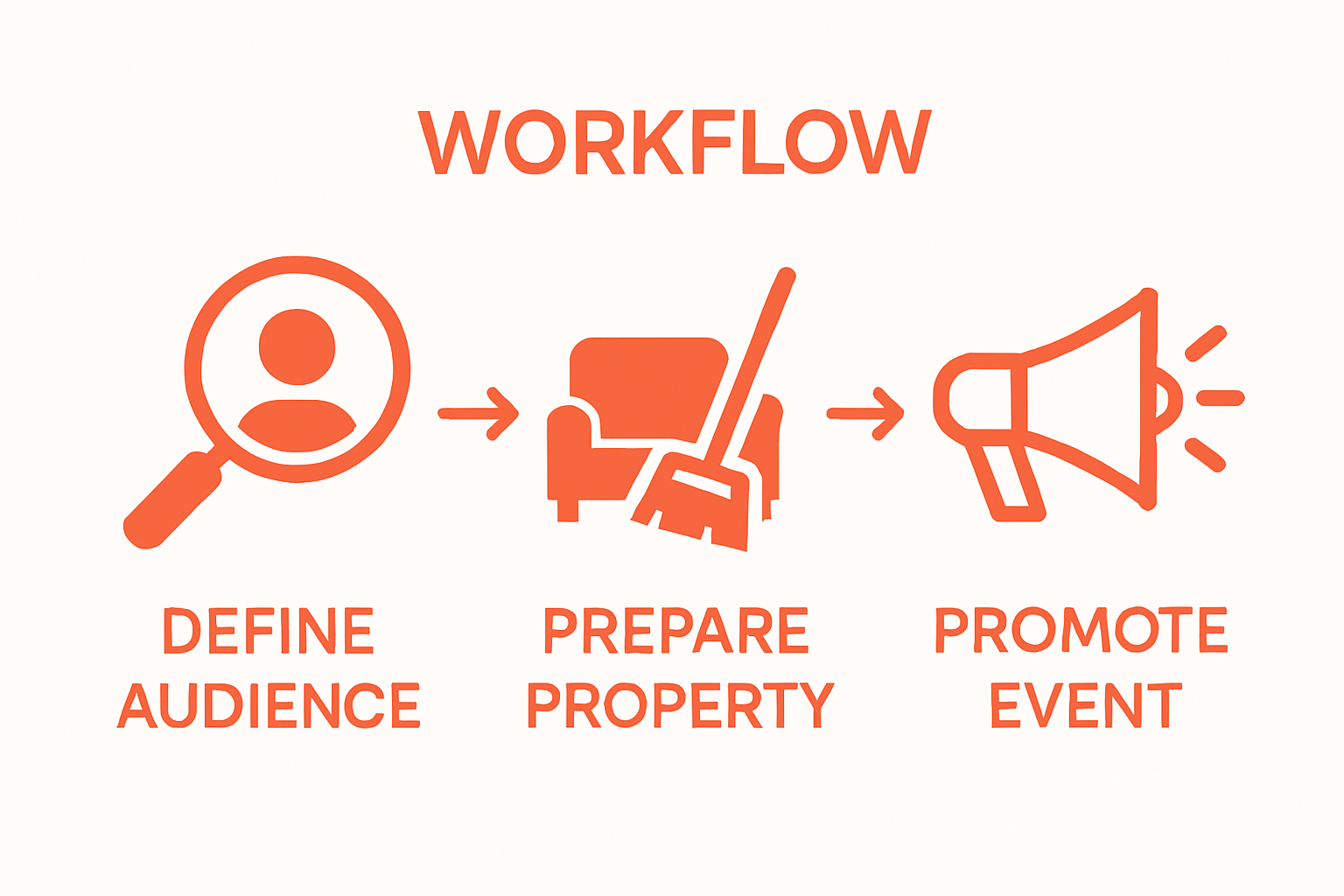
According to Open House Europe’s Audience Development Guide, creating a comprehensive audience profile involves more than surface level demographics. You need to understand deeper motivations, lifestyle aspirations, and potential barriers to home purchasing. This means diving into psychographic elements like career goals, family dynamics, lifestyle preferences, and long term financial objectives.
To refine your audience definition, leverage multiple research methods. Utilize local real estate market reports, census data, community surveys, and insights from your previous client interactions. Tools like Google Analytics, social media audience insights, and local economic development reports can provide rich contextual information about potential buyers. Create a detailed persona that represents your ideal attendee, including their background, motivations, challenges, and specific home buying criteria.
Validate your target audience definition by cross referencing multiple data sources and confirming the alignment between your audience profile and the specific property or properties you are showcasing. This precision ensures that your open house marketing materials, communication strategy, and event experience are precisely calibrated to attract and engage the right potential buyers.
Step 2: Prepare the Property for Maximum Appeal
Transforming a property from ordinary to extraordinary requires strategic preparation that captivates potential buyers from the moment they step inside. Maximum appeal is about creating an irresistible visual and emotional experience that helps buyers envision themselves living in the space. Your goal is to make the property feel welcoming, spacious, and meticulously maintained.
Begin with a comprehensive deep cleaning that goes beyond standard tidying. Professional cleaning services can help eliminate every trace of dirt, dust, and accumulated grime. Focus on often overlooked areas like baseboards, ceiling corners, light fixtures, and window tracks. Carpets and floors deserve special attention – consider professional steam cleaning or refinishing to restore their original luster. Neutralize any lingering odors with professional cleaning and subtle, fresh scents that create a clean and inviting atmosphere.
According to the Pennsylvania Association of Realtors, enhancing curb appeal is equally critical. The exterior of the property creates the critical first impression that can make or break a potential buyer’s interest. Invest time in landscaping – trim bushes, mow the lawn, plant seasonal flowers, and ensure walkways are clean and welcoming. Repaint exterior surfaces if needed, update hardware like door handles and house numbers, and ensure the property looks well maintained from the street.
Inside the property, depersonalization is key. Remove personal photographs, unique artwork, and distinctive decor that might distract buyers from imagining themselves in the space. Aim for a neutral, sophisticated aesthetic that appeals to a broad range of tastes. Strategically stage furniture to showcase the property’s best features, creating clear pathways and highlighting spaciousness. Use neutral color palettes, add subtle decorative elements like fresh flowers or tasteful throw pillows, and ensure each room feels bright, clean, and purposeful.
Finalize your preparation by conducting a thorough walkthrough, viewing the property as a potential buyer would.
The table below summarizes essential steps for preparing a property for an open house, highlighting the main actions and outcomes for each stage.
| Preparation Step | Key Actions | Intended Outcome |
|---|---|---|
| Deep Cleaning | Professional cleaning of all surfaces and hidden areas | Fresh, spotless, and inviting environment |
| Curb Appeal Enhancement | Landscaping, exterior cleaning, updating hardware | Strong first impression from the street |
| Odour Neutralization | Remove odours, use subtle fresh scents | Pleasant, neutral-smelling interior |
| Depersonalization | Remove personal photos and unique decor | Enables buyers to imagine themselves in the home |
| Staging and Furniture Arrangement | Neutral palette, arrange furniture, subtle decor | Highlights best features and creates spaciousness |
| Minor Repairs and Maintenance | Fix visible issues, ensure all lights work | Signals property has been well maintained |
| Final Walk through | View as a buyer, adjust lighting, tidy as needed | Ensures readiness and last-minute enhancements |
| Address any minor repairs, ensure consistent lighting, and create an atmosphere of move-in readiness that signals the property has been meticulously cared for. This attention to detail transforms an open house from a simple viewing to an immersive experience that motivates serious buyers to take the next step. |
Step 3: Promote the Open House Effectively
Effective promotion transforms an ordinary open house into a must attend event that attracts serious potential buyers. Your marketing strategy should create buzz, generate excitement, and reach the precisely defined target audience you identified in the first step. A multi channel approach maximizes visibility and ensures your open house stands out in a competitive real estate market.
Digital platforms offer unprecedented opportunities for targeted marketing. Leverage social media platforms like Facebook, Instagram, and LinkedIn to create engaging event posts that showcase the property’s unique features. Use high quality professional photographs and short video tours that highlight the home’s most compelling attributes. Craft compelling descriptions that speak directly to your target audience’s aspirations and needs. Utilize geo targeted advertising to reach potential buyers in specific neighborhoods or with particular demographic characteristics.
According to the Lee County Association of REALTORS, traditional marketing channels remain powerful complementary tools. Design eye catching printed materials like flyers and postcards that can be distributed in targeted neighborhoods. Place strategic signage in high traffic areas, ensuring clear directions and attractive visual design. Consider converting real estate leads through personalized email campaigns that provide exclusive preview opportunities for your most promising potential buyers.
Expand your promotional reach by networking with local real estate professionals, mortgage brokers, and community groups. Create a sense of event exclusivity by offering special incentives like professional home valuation consultations, neighborhood market insights, or limited time viewing opportunities. Develop a comprehensive contact capture strategy to collect information from interested parties, enabling follow up communication and nurturing potential leads beyond the open house event.
Verify the effectiveness of your promotional efforts by tracking metrics like digital engagement rates, sign in sheets, visitor numbers, and subsequent inquiries.
This table outlines common open house promotional methods, distinguishing between digital and traditional channels, with key features and potential benefits for each.
| Promotion Method | Channel Type | Key Features | Potential Benefit |
|---|---|---|---|
| Social Media Posts | Digital | Photo/video tours, audience targeting | Broad reach, focuses on target buyers |
| Geo-targeted Advertising | Digital | Location-based exposure | Attracts local buyers |
| Printed Flyers/Postcards | Traditional | Distributed in neighbourhoods | Increases local visibility |
| Directional Signage | Traditional | Eye-catching design, clear directions | Guides traffic to event |
| Email Campaigns | Digital | Personalised, exclusive content | Engages past leads and prospects |
| Networking with Pros | Traditional | Partner referrals, word-of-mouth | Access to new buyer pools |
| A successful promotion strategy not only fills your open house with qualified potential buyers but also builds your reputation as a proactive, innovative real estate professional who understands how to create compelling property experiences. |
Step 4: Engage Visitors During the Open House
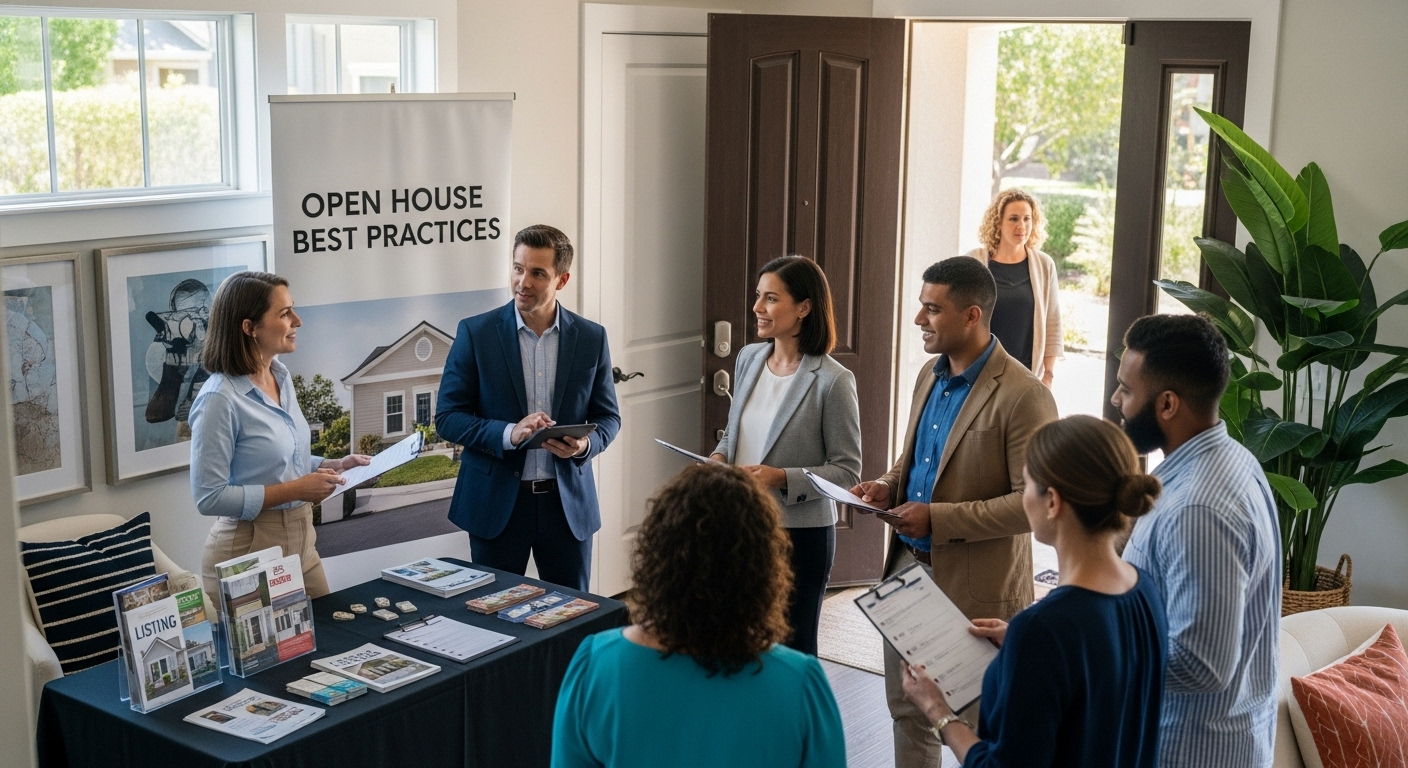
Visitor engagement transforms a standard property viewing into an immersive experience that connects potential buyers emotionally with the space. Your goal is to create a welcoming environment that allows visitors to envision themselves living in the home while simultaneously gathering valuable insights about their purchasing intentions.
Begin by crafting a professional yet warm welcome that immediately sets a positive tone. Position yourself strategically near the entrance, offering a friendly greeting and a brief overview of the property’s key features. Develop a concise narrative that highlights the home’s unique selling points without overwhelming visitors with excessive details. Provide professionally printed information packets that visitors can take with them, including property specifications, neighborhood insights, and your contact information.
According to the U.S. Fish & Wildlife Service’s engagement guidelines, creating multiple interaction points allows visitors to explore at their own comfort level. Set up different stations throughout the property that showcase specific features. For example, create a kitchen station with neighborhood restaurant menus, a living room area with local community information, and a backyard section highlighting property potential. These curated spaces invite conversation and help potential buyers imagine their future lifestyle.
Active listening becomes your most powerful engagement tool. Ask open ended questions that reveal visitors’ motivations and housing needs. Pay attention to their reactions and body language, using these cues to provide personalized insights. Learn to read subtle signals that indicate genuine interest versus casual browsing. When appropriate, reference real estate sales funnel strategies to smoothly transition interested visitors toward next steps in the purchasing process.
Verify engagement success by tracking visitor interactions, collecting contact information, and noting specific areas of interest. A truly successful open house creates meaningful connections that extend beyond the event itself, positioning you as a trusted real estate professional who understands both property details and client aspirations.
Step 5: Collect Feedback and Follow Up
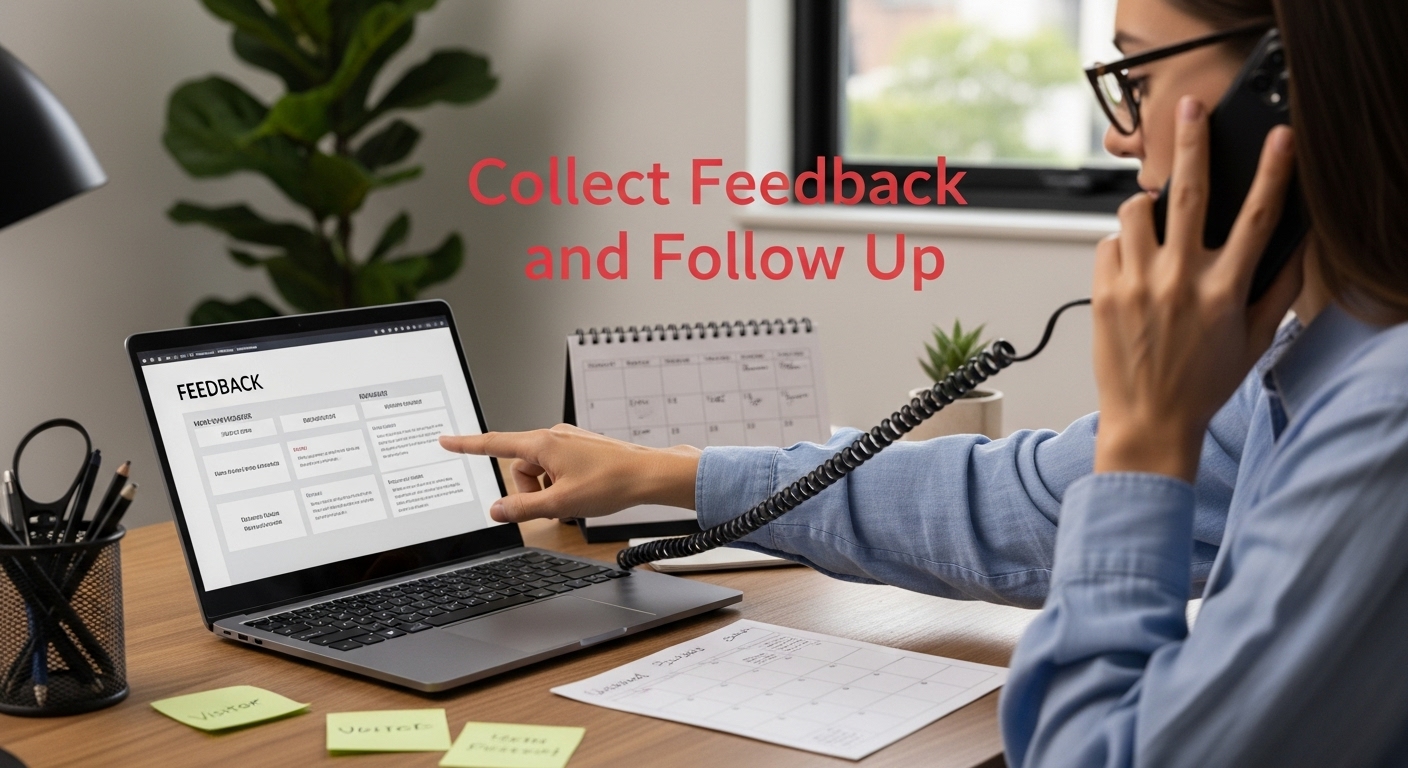
The final stage of a successful open house is not the event itself, but the strategic follow up that transforms casual interest into potential sales. Collecting comprehensive feedback and implementing a systematic follow up approach separates top performing real estate professionals from average performers. Your goal is to create a structured process that nurtures leads and demonstrates your commitment to understanding client needs.
Immediately after the open house, design a concise yet comprehensive feedback mechanism. Develop a digital survey that captures both quantitative and qualitative insights about visitors’ experiences. Include specific questions that reveal not just their impressions of the property, but their broader housing objectives and potential purchasing timelines. Use digital tools that allow for quick, mobile friendly responses, increasing the likelihood of completion. Consider offering a small incentive, such as a neighborhood market report or personalized home valuation, to encourage survey participation.
According to research published in the Journal of Medical Internet Research, systematic feedback collection requires a multi dimensional approach. Supplement digital surveys with personalized follow up calls within 24 to 48 hours of the event. During these conversations, demonstrate active listening and genuine interest in understanding their specific needs. Lead nurturing strategies become critical at this stage, helping you categorize potential buyers based on their immediate interest, future considerations, and specific property preferences.
Segment your follow up communications based on the feedback and interaction levels observed during the open house. For highly interested visitors, schedule personalized property viewings or provide detailed comparative market analyses. For those with more tentative interest, develop a gentle, informative communication strategy that keeps you top of mind without feeling intrusive. Use a combination of email, text, and occasional phone contact to maintain engagement.
Verify the effectiveness of your follow up by tracking metrics such as response rates, subsequent property viewings scheduled, and conversion rates from open house leads to actual property transactions. A sophisticated follow up process not only increases your immediate sales potential but also builds a robust professional network for future real estate opportunities.
Step 6: Evaluate Success and Plan for Improvement
Success in real estate is not a destination but a continuous journey of refinement and strategic adaptation. Evaluating your open house performance provides the critical insights needed to elevate future events and strengthen your professional approach. The most successful real estate professionals view each open house as a learning opportunity that builds their expertise and reputation.
Begin your evaluation by compiling comprehensive data from multiple sources. Analyze the quantitative metrics collected during the event, including the number of visitors, time spent in the property, and immediate follow up interactions. Compare these metrics against your initial objectives to understand the event’s true performance. Look beyond surface level numbers to identify patterns in visitor behavior, engagement levels, and potential buyer demographics. Consider creating a detailed spreadsheet that tracks key performance indicators across multiple open house events to recognize emerging trends.
According to Western Michigan University’s event evaluation guidelines, a robust assessment requires both numerical data and qualitative insights. Review the feedback surveys collected from visitors, paying close attention to comments about property presentation, your personal engagement, and overall experience. Real estate lead nurturing strategies become crucial in transforming these insights into actionable improvements. Identify specific areas where you can enhance your approach, whether it involves property staging, communication techniques, or marketing strategies.
Develop a systematic improvement plan that addresses the insights gained from your evaluation. Create specific, measurable goals for your next open house, focusing on areas that require enhancement. This might involve refining your presentation techniques, adjusting marketing channels, or developing more targeted promotional materials. Implement a continuous learning mindset that views each open house as an opportunity to refine your professional skills and approach.
Verify your improvement process by establishing clear benchmarks and tracking your progress across subsequent events. The most effective real estate professionals treat each open house as a strategic opportunity for growth, continuously adapting their techniques to meet evolving market demands and client expectations.
Unlock Seamless Open House Success with LeadLinker
Struggling to turn open house visitors into qualified leads and booked appointments? Many real estate professionals spend valuable hours organizing events, collecting feedback, and nurturing leads, only to lose clients to slow response times or missed follow-ups. As highlighted in the article, nurturing every interested visitor is key to higher conversion rates and long-term business growth. That’s where smart, AI-powered automation bridges the gap between engaging open house experiences and real results.
Explore strategies for modern agents
Why wait to see your open house efforts pay off? With LeadLinker.co, you can automate lead response 24/7, qualify buyers instantly, and book property viewings even while you focus on running a flawless event. Thousands of top agents are capturing more opportunities and reducing missed connections because their lead nurturing runs on autopilot. Visit LeadLinker.co to discover how you can turn every open house in 2025 into a high-conversion event—start optimizing your follow-up today.
Frequently Asked Questions
How can I define my target audience for an open house event?
To define your target audience for an open house, analyze local market data considering demographics such as age, income, and family status. Additionally, incorporate psychographic elements like lifestyle preferences and motivations related to home purchasing.
What steps should I take to prepare a property for an open house?
Preparing a property involves deep cleaning, enhancing curb appeal, depersonalizing the space, and staging it effectively. Ensure the property is inviting with a neutral aesthetic and addresses minor repairs to signal move-in readiness.
What are effective strategies for promoting an open house?
Effective promotion strategies include leveraging social media, utilizing geo-targeted advertising, designing eye-catching printed materials, and networking with local professionals. Create excitement through engaging posts, high-quality visuals, and email campaigns targeting potential buyers.
How should I engage visitors during the open house?
Engage visitors by providing a warm welcome and crafting a narrative that highlights the property’s key features. Utilize interactive stations to allow exploration, and practice active listening to understand their needs and motivations better.