
Real estate content marketing is packed with blogs, videos, and guides promising results. Yet, even with this flood of information, only about 25 percent of real estate content actually converts readers into leads or clients. Surprised? Most realtors miss out not because they lack effort, but because their strategy starts with vague goals and an unclear audience. Shifting your focus to measurable targets and a well defined persona can set your marketing apart from the crowd.
Table of Contents
- Step 1: Define Your Target Audience And Goals
- Step 2: Conduct A Content Audit And Competitive Analysis
- Step 3: Develop A Content Calendar And Strategy
- Step 4: Create Engaging And Relevant Content
- Step 5: Distribute And Promote Your Content
- Step 6: Measure Performance And Optimize Strategy
Quick Summary
| Key Point | Explanation |
|---|---|
| 1. Define your audience clearly | Develop detailed audience personas that encompass demographics and psychographics to ensure targeted content creation. |
| 2. Set measurable marketing goals | Establish specific metrics, such as increasing lead generation by 25%, to track progress and effectiveness. |
| 3. Conduct a thorough content audit | Inventory existing content and assess performance to identify strengths and gaps in your marketing strategy. |
| 4. Create a structured content calendar | Plan content strategically across various platforms to ensure a balanced and timely distribution. |
| 5. Measure and optimize performance continuously | Analyze key performance indicators and adjust strategies based on data to enhance future marketing efforts. |
Step 1: Define Your Target Audience and Goals
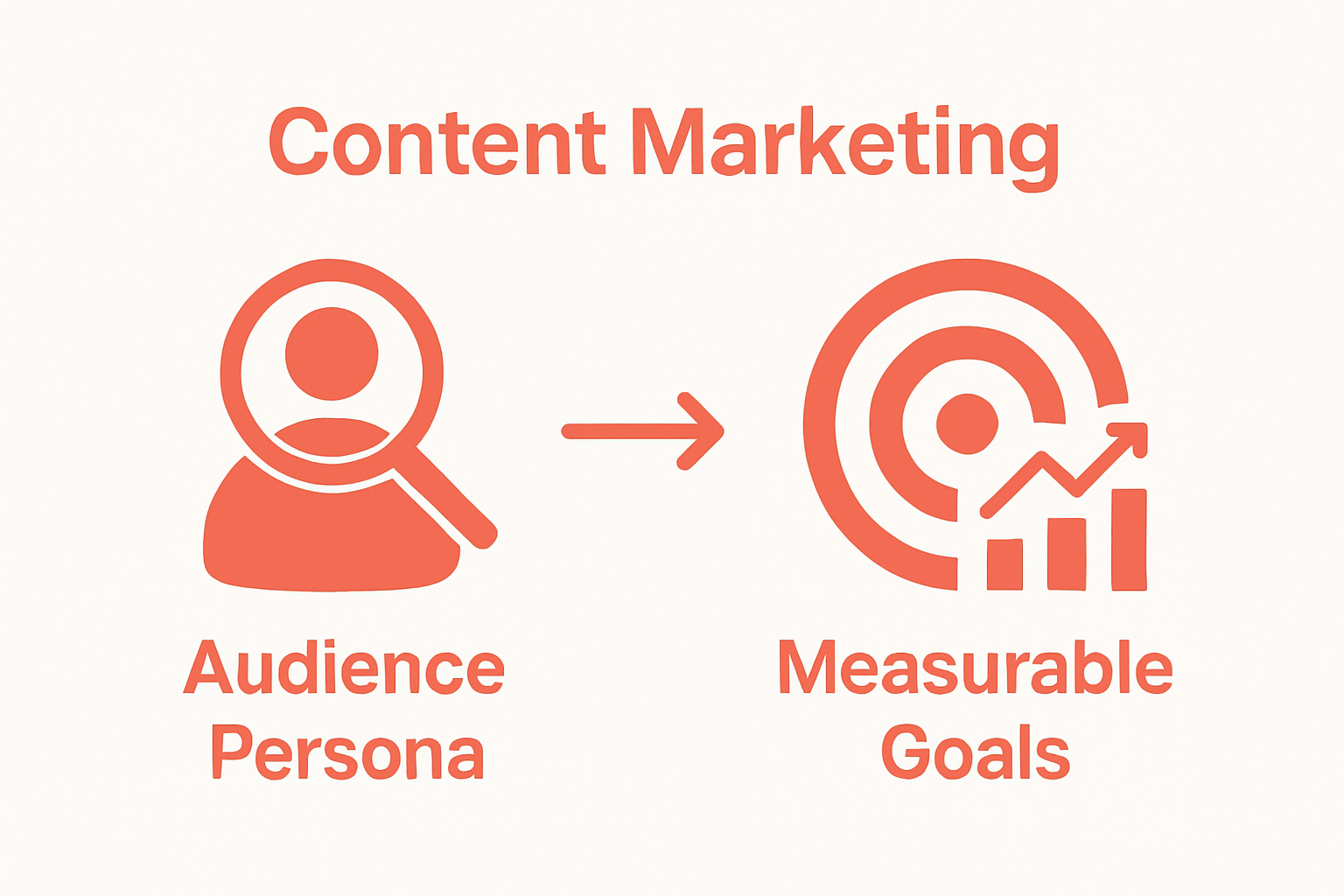
Successful content marketing in real estate begins with crystal clear audience understanding and strategic goal setting. Your entire marketing approach hinges on knowing precisely who you want to reach and what specific outcomes you aim to achieve.
Starting with audience definition requires deep demographic and psychographic research. Real estate professionals must move beyond basic categories like “home buyers” or “investors” and develop nuanced audience personas. These personas should capture not just age and income, but motivations, pain points, communication preferences, and lifestyle aspirations. For instance, a first time homebuyer in their early 30s will have dramatically different content needs compared to a real estate investor seeking multi unit properties.
According to research exploring geomarketing techniques, understanding geographic and behavioral characteristics allows for more targeted content strategies. By mapping your ideal client’s specific characteristics, you can craft messaging that resonates authentically.
When establishing goals, real estate marketers should focus on measurable, specific objectives. Rather than vague aspirations like “grow my business,” define concrete metrics such as:
- Increase lead generation by 25% within six months
- Convert 10% of website visitors into qualified leads
- Develop a consistent social media engagement rate of 3.5%
These precise goals transform abstract marketing efforts into structured, trackable initiatives. Each goal should connect directly to your audience personas, ensuring your content strategy remains laser focused and purposeful. Regularly revisit and refine these goals as market conditions and audience behaviors evolve, maintaining flexibility while staying committed to your core strategic vision.
Verification of this step involves creating a documented audience persona and a clear, metrics driven goal framework that guides subsequent content marketing activities.
Step 2: Conduct a Content Audit and Competitive Analysis
A comprehensive content audit and competitive analysis form the strategic foundation of your real estate marketing approach. This critical step allows you to understand your current content landscape and identify opportunities for improvement and differentiation.
Begin by cataloging every piece of existing marketing content across all platforms. This includes website pages, blog posts, social media content, email newsletters, video materials, and printed collateral. Create a detailed spreadsheet tracking each content piece’s performance metrics such as engagement rates, views, shares, and conversion potential. Pay special attention to content that resonates most with your target audience, noting themes, formats, and messaging that generate the strongest responses.
According to research exploring marketing case studies, systematic content audits reveal strategic advantages in understanding market positioning. During your analysis, evaluate your content through multiple lenses: relevance to target audience personas, alignment with established goals, and current market standards.
The competitive analysis component requires thorough research of other real estate professionals in your market segment. Examine their content strategies, identifying:
- Content types and formats they frequently use
- Unique value propositions in their messaging
- Engagement levels and audience interaction patterns
- Gaps in their content that you could potentially fill
Utilize tools like social media analytics platforms, content research software, and competitive intelligence dashboards to streamline this process. These resources can provide insights into competitors performance and help you benchmark your own content strategy.
Successful completion of this step means developing a comprehensive content inventory with clear performance insights and a strategic understanding of your competitive landscape. Your audit should reveal specific content gaps, highlight top performing content types, and provide a roadmap for future content development that distinguishes your real estate marketing approach from competitors.
Step 3: Develop a Content Calendar and Strategy
A strategic content calendar transforms random marketing efforts into a cohesive, purposeful approach that consistently engages your real estate audience. This critical planning tool bridges the gap between your audience research and actual content production, ensuring a systematic and intentional marketing workflow.
Begin by mapping out your content strategy across different platforms and formats. Real estate professionals should aim for a balanced mix that includes blog posts, social media content, email newsletters, video tours, market analysis reports, and client testimonial features. Your content mix should directly reflect the preferences and information needs of your target audience personas developed in earlier steps.
According to research from Coursera on content strategy, an effective content calendar requires careful consideration of timing, relevance, and audience journey stages. Consider the natural rhythms of real estate markets seasonal trends, first time homebuyer cycles, and investment property considerations when scheduling content.
When constructing your calendar, incorporate a strategic framework that addresses multiple objectives:
- Create content that addresses different stages of the client journey
- Balance educational content with promotional materials
- Align content with key real estate market cycles and events
- Maintain consistent posting frequency across platforms
Digital tools like Google Sheets, Trello, or specialized marketing calendars can help streamline your planning process. These platforms allow real time collaboration, content tracking, and easy adjustments as market conditions evolve.
A successful content calendar should be flexible yet structured. Plan content themes months in advance while leaving room for timely market updates, emerging trends, or spontaneous opportunities. Include specific details for each content piece such as topic, target platform, intended audience segment, key messaging points, and desired call to action.
Verification of this step involves having a comprehensive, color coded calendar that spans at least three months, with clearly defined content themes, publication dates, and alignment with your overall marketing goals. Regularly review and adjust your calendar to maintain relevance and effectiveness in your real estate marketing strategy.

Step 4: Create Engaging and Relevant Content
Creating compelling content transforms your real estate marketing from mundane communication to powerful audience connection. The goal is to produce materials that not only inform but genuinely resonate with potential clients, addressing their specific needs, fears, and aspirations.
High quality content is about understanding your audience deeper than surface level demographics. Craft narratives that speak directly to the emotional journey of home buying or selling. For first time homebuyers, this might mean creating content that demystifies complex processes, while investors require data driven market analyses and strategic insights.
According to research exploring digital marketing strategies, integrating interactive and intelligent technologies can significantly enhance user engagement. This means moving beyond traditional text based content and incorporating multimedia elements like virtual property tours, neighborhood video guides, and live Q&A sessions.
Consider developing content that addresses different stages of the client journey. Diversity in content format is key to maintaining audience interest.
Your content mix should include:
- Comprehensive market trend reports
- Personal success story videos
- Neighborhood spotlight features
- First time homebuyer guides
- Investment property analysis
To enhance your strategy, learn more about lead nurturing techniques that can complement your content marketing efforts. Focus on creating authentic, value driven content that positions you as a trusted advisor rather than a mere transactional agent.
Verification of successful content creation involves tracking key performance indicators such as engagement rates, content shares, lead generation, and direct inquiries stemming from your published materials. Regularly solicit feedback from your audience to ensure your content continues meeting their evolving information needs and preferences.
Step 5: Distribute and Promote Your Content
Distribution and promotion transform your meticulously crafted content from a passive resource into an active lead generation tool. This critical step ensures your carefully developed materials reach the right audience through strategic, multi channel approaches.
Effective content distribution requires a nuanced, platform specific strategy. Each social media channel and digital platform demands a tailored approach that respects its unique audience expectations and engagement dynamics. LinkedIn demands professional market insights, Instagram thrives on visual property showcases, while Facebook allows for more community oriented storytelling about local real estate trends.
According to research exploring digital marketing strategies, integrating intelligent digital technologies like live broadcasting and interactive community engagement can significantly enhance user experience and conversion rates.
Your content promotion toolkit should include multiple strategic channels:
- Organic social media posting
- Targeted email marketing campaigns
- Paid social media advertising
- Strategic networking and professional groups
- Collaborative cross promotions with local businesses
Consider exploring advanced lead nurturing techniques to complement your distribution strategy. Leverage automation tools that can schedule posts, track engagement metrics, and provide insights into audience interaction patterns.
Pro tip for real estate professionals: Personalization dramatically improves content performance. Segment your audience and customize content distribution based on specific interests like first time homebuyer resources, luxury property investments, or neighborhood specific market reports.
Verification of successful content distribution involves tracking key performance indicators such as reach, engagement rates, click through rates, and most importantly, the number of qualified leads generated directly from your promotional efforts. Regularly analyze these metrics to refine and optimize your distribution strategy, ensuring continuous improvement in your content marketing approach.
Step 6: Measure Performance and Optimize Strategy
Measuring and optimizing your content marketing strategy transforms raw data into actionable insights that drive real estate business growth. This final step is about understanding the true impact of your marketing efforts and making intelligent, data driven adjustments.
Performance measurement goes far beyond basic vanity metrics. Real estate professionals must dig deeper, analyzing not just views or likes, but actual lead generation, conversion rates, and tangible business outcomes. Tools like Google Analytics, social media insights, and specialized marketing dashboards provide comprehensive views of content performance across different platforms.
According to research exploring digital intelligence in marketing, understanding digital competencies is crucial for sustainable marketing success. This means tracking metrics that genuinely reflect your strategic goals.
Key performance indicators to monitor include:
- Conversion rates from content to qualified leads
- Engagement rates across different content types
- Time spent on specific content pieces
- Demographic breakdown of audience interaction
- Cost per lead acquisition
Learn how to optimize your real estate sales funnel to complement your performance measurement strategy. The goal is to create a continuous improvement cycle where data informs content creation, distribution, and targeting.
Optimization requires a systematic approach. Schedule quarterly strategy reviews where you critically analyze performance data. Identify top performing content types, understand audience preferences, and be willing to pivot your strategy based on empirical evidence. This might mean retiring underperforming content formats, doubling down on successful approaches, or experimenting with emerging marketing channels.
Verification of successful performance measurement involves creating a comprehensive performance report that not only presents data but offers clear, actionable recommendations for future content marketing strategies. Your report should demonstrate a clear link between content efforts and business outcomes, proving the tangible value of your marketing investments.
Turn Your Real Estate Content Strategy Into Real Results With AI
Are you finding that even after careful audience research, content audits, and a detailed calendar, you still lose leads due to slow responses or missed follow-ups? The article highlighted painful gaps like inconsistent lead conversion, lost opportunities, and the overwhelm of managing multiple communication channels. If you are striving for real estate marketing success, you need more than just powerful content—you need a way to capture and nurture every single lead, every time.
Explore more success strategies proven by top Canadian agents.

Now is the time to stop letting valuable leads slip through the cracks. LeadLinker.co uses AI to automate your lead management, qualify prospects, and book appointments instantly. Imagine every inquiry from SMS, email, or socials handled 24/7 without adding extra staff. Visit LeadLinker.co to experience firsthand how smarter systems transform your content marketing into actual appointments and closings. Take the next step today before another opportunity goes unanswered.
Frequently Asked Questions
What are the first steps in developing a content marketing strategy for real estate?
Successful content marketing begins with clearly defining your target audience and setting measurable goals. Understand the demographics and psychographics of your ideal clients to create tailored audience personas, and establish specific metrics to guide your marketing efforts.
How do I conduct a content audit for my real estate marketing?
A content audit involves cataloging all your existing marketing materials, including website pages, blog posts, and social media content. Assess the performance of each piece based on engagement metrics and identify gaps that can be filled with high-quality, relevant content.
What types of content should I include in my real estate marketing strategy?
Your content strategy should be diverse, including blog posts, social media updates, email newsletters, video tours, market analysis reports, and client testimonials. Tailor your content variety to the preferences and information needs of your target audience.
Below is a comparison table outlining common real estate content formats, their target audience, and suggested usage to help you diversify your content strategy effectively.
| Content Format | Target Audience | Suggested Use |
|---|---|---|
| Blog Posts | Homebuyers, Investors | In-depth guides and market updates |
| Social Media Updates | General Audience | Immediate news, market snapshots |
| Video Tours | Buyers, Sellers | Property showcases, virtual walkthroughs |
| Market Analysis Reports | Investors, Sellers | Detailed trends and investment insights |
| Email Newsletters | Leads, Clients | Ongoing engagement, exclusive content |
| Client Testimonials | Prospective Clients | Trust building, showcasing success |
| Neighbourhood Spotlights | Relocators, Buyers | Community information and lifestyle |
How can I measure the success of my content marketing efforts?
To measure success, focus on key performance indicators such as conversion rates, engagement rates, time spent on content, and the demographic breakdown of your audience interaction. Utilize tools like Google Analytics and social media insights to gather comprehensive performance data.