
Marketing plans get tossed around in real estate all the time, but most agents still miss the mark when it comes to standing out. Many think sharper ads or bigger budgets guarantee more clients, yet agents who define specific, measurable objectives like increasing listings by 25 percent see far better results. Surprising, right? The real secret is creating a plan that actually adapts to your business, your market, and the clients you want—and that kind of strategy often looks nothing like what traditional agents are doing.
Table of Contents
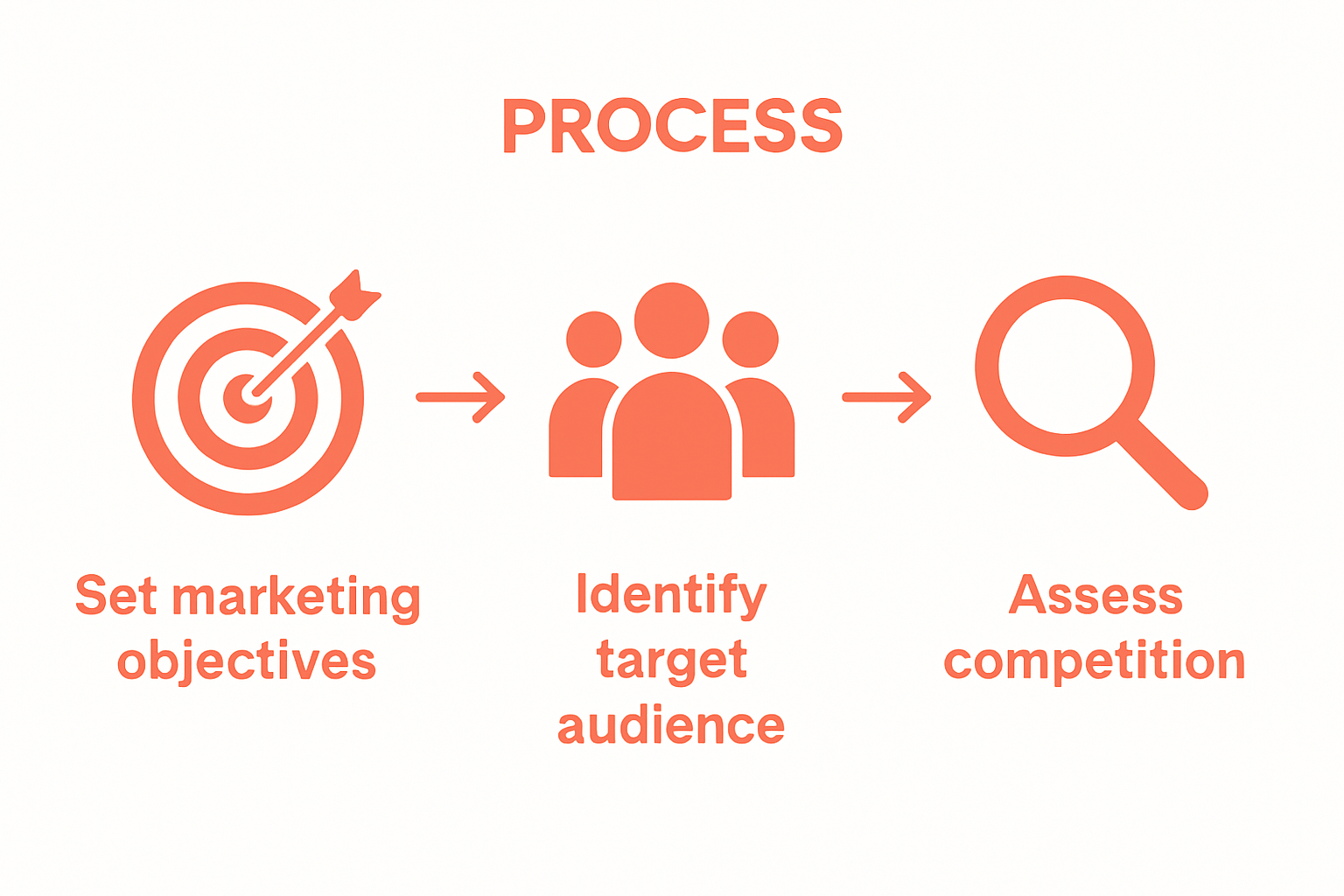
- Step 1: Define Your Marketing Objectives
- Step 2: Identify Your Target Audience
- Step 3: Assess Your Competition
- Step 4: Develop Your Unique Value Proposition
- Step 5: Create And Implement Your Marketing Strategies
- Step 6: Measure And Optimize Your Marketing Plan
Quick Summary
| Key Point | Explanation |
|---|---|
| 1. Define Clear Marketing Objectives | Establish specific, measurable goals to guide your real estate strategy effectively. |
| 2. Understand Your Target Audience | Analyze client demographics and preferences to tailor marketing campaigns. |
| 3. Conduct Competitive Analysis | Identify strengths and weaknesses of competitors to differentiate your services. |
| 4. Develop a Unique Value Proposition | Communicate specific benefits that set your services apart from others. |
| 5. Measure and Optimize Regularly | Continuously track performance metrics to improve marketing strategies based on data. |
Step 1: Define Your Marketing Objectives
Creating a marketing plan begins with establishing clear, strategic objectives that will drive your real estate business forward. This crucial first step transforms your business vision into actionable marketing goals that provide direction and measurable targets for your growth strategy.
To develop effective marketing objectives, start by conducting a comprehensive assessment of your current real estate business performance. Analyze your existing client base, recent transaction history, and market positioning. This evaluation will help you understand your strengths, identify potential areas for improvement, and determine realistic goals that align with your business capabilities.
Key Performance Indicators (KPIs) to Consider:
- Number of listings secured per month
- Conversion rate from leads to clients
- Average transaction value
- Geographic market penetration
- Client referral rates
Your marketing objectives should be specific and quantifiable. Instead of vague statements like “grow my business,” craft precise targets such as “increase residential listing inventory by 25% within the next six months” or “generate 50 qualified buyer leads through targeted digital marketing campaigns by quarter’s end.”
According to research from the Keller Center for Research, successful real estate marketing objectives must incorporate a deep understanding of market dynamics and customer needs. This means going beyond numerical targets and considering qualitative aspects like client experience, brand positioning, and market differentiation.
Consider segmenting your objectives across different dimensions: lead generation, client acquisition, brand awareness, and revenue growth. Each segment should have clear, measurable goals that contribute to your overarching business strategy. For instance, while one objective might focus on increasing social media engagement, another could target expanding your network of professional referral partners.
Successful objective setting requires honest self-assessment. Be ambitious yet realistic, ensuring your goals stretch your capabilities without becoming unattainable. Regularly review and adjust these objectives as market conditions evolve, maintaining flexibility while staying committed to your core business vision.
Step 2: Identify Your Target Audience
Identifying your target audience is a critical step in creating a marketing plan that transforms potential leads into loyal real estate clients. This process goes beyond basic demographics and requires a nuanced understanding of the specific market segments most likely to engage with your real estate services.
Begin by analyzing your existing client database and transaction history. Look for patterns in age groups, income levels, family structures, and property preferences. Real estate professionals who understand their current client composition can more effectively target similar prospects. For instance, if you have successfully worked with first-time homebuyers in urban neighborhoods, you might recognize that young professionals between 28-38 years old represent a prime target market.
Demographic Characteristics to Examine:
- Age range
- Income bracket
- Family status
- Professional occupation
- Geographic location
- Property ownership history
According to Johns Hopkins University’s market research guidance, developing a detailed customer persona is crucial for precise targeting. Create a comprehensive profile that includes not just statistical data but also psychographic information such as lifestyle preferences, career aspirations, and personal goals related to property ownership.
Consider segmenting your target audience into distinct categories. You might have different marketing approaches for first-time homebuyers, real estate investors, luxury property seekers, or those interested in downsizing. Each segment requires a tailored communication strategy that speaks directly to their unique needs and motivations.
Utilize advanced tools like customer relationship management (CRM) software and market research platforms to gather deeper insights. These technologies can help you track client interactions, analyze behavior patterns, and identify emerging trends within your target markets. Social media analytics and local real estate market reports also provide valuable information for refining your audience understanding.
Remember that your target audience is not static. Regularly review and update your audience profile to reflect changing market dynamics, economic shifts, and evolving community demographics. A successful marketing plan adapts to these changes, ensuring your strategy remains relevant and effective in capturing the right clients for your real estate business.
Step 3: Assess Your Competition
Competitive analysis is a strategic cornerstone of your marketing plan, providing crucial insights into how you can differentiate your real estate services in a crowded marketplace. Understanding your competitors goes beyond simply identifying other agents in your area; it involves a comprehensive examination of their strengths, weaknesses, and unique market positioning.
Begin by mapping out the competitive landscape within your specific real estate market segment. Identify both direct competitors who operate in the same geographic area and serve similar client types, as well as indirect competitors who might offer alternative property solutions. Local real estate agencies, independent brokers, and online platforms all represent potential competitive threats that require careful analysis.
Key Competitive Assessment Areas:
- Marketing strategies
- Service offerings
- Online presence and digital marketing
- Client review and reputation
- Pricing and commission structures
- Specialized market niches
According to research from the Brookings Institution, the real estate industry has complex competitive dynamics that require nuanced understanding. Conduct a thorough investigation of your competitors’ digital footprint, examining their websites, social media channels, and online marketing approaches. Look for gaps in their service offerings that you can potentially fill, such as specialized client support, innovative technology integration, or unique market expertise.
Utilize both digital and traditional research methods to gather competitive intelligence. Subscribe to local real estate publications, attend industry networking events, and monitor competitors’ listings and marketing materials. Client testimonials, online reviews, and professional network platforms like LinkedIn can provide additional insights into your competitors’ strengths and potential vulnerabilities.
Consider creating a detailed competitive comparison matrix that systematically evaluates each competitor across multiple dimensions. This tool will help you identify your unique value proposition and develop marketing strategies that highlight your distinctive capabilities. Pay particular attention to areas where you can provide superior service, such as faster response times, more personalized client communication, or specialized knowledge in specific property types or neighborhood markets.
Below is a table comparing key areas to assess during a competitive analysis, helping you systematically evaluate your real estate competitors and identify your own opportunities.
| Assessment Area | What to Analyse | Importance |
|---|---|---|
| Marketing strategies | Types of ads, channels used, and content approach | Reveals how competitors attract potential clients |
| Service offerings | Range of services, specialisation, and added value | Highlights differentiation opportunities |
| Online presence | Website quality, social media activity, and engagement | Indicates digital visibility and reach |
| Client review and reputation | Ratings, testimonials, and overall client feedback | Demonstrates client satisfaction and trustworthiness |
| Pricing and commission structures | Typical commission rates, fee transparency | Informs on industry standards and pricing strategies |
| Specialised market niches | Unique focuses (e.g., luxury, first-time buyers, investors) | Identifies underserved segments to target |
Remember that competitive assessment is an ongoing process. Market conditions evolve rapidly, and successful real estate professionals continuously monitor and adapt to changes in the competitive landscape. Regularly update your competitive analysis to ensure your marketing plan remains responsive and strategically positioned to capture market opportunities.
Step 4: Develop Your Unique Value Proposition
Your unique value proposition (UVP) represents the critical differentiator that sets your real estate services apart in a competitive marketplace. This strategic statement communicates the distinctive benefits clients receive when choosing you over other real estate professionals, transforming your marketing from generic to compelling.
Core Elements of a Powerful Value Proposition:
- Specific client benefits
- Measurable performance outcomes
- Distinct competitive advantages
- Emotional and rational value drivers
- Clear problem-solving capabilities
Craft your UVP by deeply understanding the specific challenges your target audience encounters during real estate transactions. Identify the pain points that frustrate potential clients and demonstrate precisely how your approach resolves these concerns more effectively than competitors. For some agents, this might mean offering advanced technological tools for property searches, while others might emphasize personalized consultation or specialized market knowledge.
According to research from the University of Delaware’s Horn Entrepreneurship program, developing a compelling value proposition requires systematic analysis of your distinctive capabilities. Examine your professional background, technological resources, network connections, and specialized expertise to uncover unique advantages that genuinely differentiate your services.
Consider developing multiple variations of your UVP tailored to different client segments. A first-time homebuyer might value educational support and simplified transaction guidance, whereas real estate investors will prioritize market insights and potential return-on-investment analysis. Your UVP should speak directly to these specific needs, demonstrating an intimate understanding of each group’s distinct motivations.
Effective value propositions communicate benefits concisely and powerfully. Avoid industry jargon or overly complex language. Instead, use clear, straightforward statements that immediately communicate the tangible value clients receive. For example, a strong UVP might read: “I leverage cutting-edge technology and deep local market knowledge to help you find your perfect property faster and negotiate the best possible price.”
Verify your UVP’s effectiveness by testing it with current clients, colleagues, and members of your target audience. Seek honest feedback about its clarity, believability, and emotional resonance. A truly compelling value proposition should instantly clarify why potential clients should choose you over alternative real estate professionals.
Step 5: Create and Implement Your Marketing Strategies
Developing and implementing marketing strategies transforms your real estate business from passive to proactive, creating systematic approaches to attract, engage, and convert potential clients. This step synthesizes everything you have learned about your market, competition, and unique value proposition into actionable marketing tactics.
Strategic Marketing Channels to Prioritize:
- Digital marketing platforms
- Social media engagement
- Content marketing
- Networking events
- Referral programs
- Local community outreach
Digital Marketing Focus
Digital platforms offer the most scalable and cost-effective marketing opportunities. Develop a comprehensive online presence that showcases your expertise and connects with potential clients across multiple channels. Your website should serve as a central hub, featuring professional property listings, client testimonials, and valuable market insights. Leverage social media platforms like Instagram and Facebook to share engaging property content, market trends, and personal branding stories that demonstrate your real estate knowledge.
According to research examining real estate marketing strategies, modern real estate professionals must diversify their marketing approaches. Consider creating targeted content such as neighborhood guides, first-time homebuyer resources, and investment property analysis that provides genuine value to potential clients. These resources not only attract prospects but also establish your credibility as a knowledgeable real estate professional.
Implement a robust content marketing strategy that includes regular blog posts, email newsletters, and video content. Each piece of content should address specific client pain points and showcase your unique value proposition. **Consistency is key in building trust and maintaining visibility in a competitive market.
 **
**
For agents looking to optimize their marketing funnel, read more about our comprehensive real estate sales funnel guide to understand how to systematically convert leads into clients. Track your marketing efforts meticulously, using analytics tools to measure engagement, conversion rates, and return on investment. Be prepared to adapt your strategies based on performance data, ensuring continuous improvement and alignment with market dynamics.
Step 6: Measure and Optimize Your Marketing Plan
Measuring and optimizing your marketing plan transforms raw data into actionable insights that drive continuous improvement in your real estate business. This critical step ensures your marketing strategies remain dynamic, responsive, and aligned with evolving market conditions and client needs.
Key Performance Metrics to Track:
- Lead generation volume
- Conversion rates
- Customer acquisition cost
- Average transaction value
- Client retention rate
- Marketing channel effectiveness
Performance Tracking and Analysis
Implementing a robust tracking system is fundamental to understanding your marketing plan’s true performance. Utilize customer relationship management (CRM) software and analytics tools to collect comprehensive data across all marketing channels. These platforms provide granular insights into how potential clients interact with your marketing materials, allowing you to identify which strategies generate the most qualified leads and highest conversion rates.
According to the U.S. Small Business Administration, comparing marketing and sales costs against generated revenue is crucial for determining your return on investment. Calculate key performance indicators such as cost per lead, conversion rate, and customer acquisition cost. These metrics reveal the financial efficiency of your marketing strategies and highlight areas requiring optimization.
Develop a systematic approach to reviewing your marketing performance. Schedule monthly or quarterly strategy review sessions where you critically analyze your data. Look beyond surface-level metrics to understand the deeper narrative behind the numbers. Are certain marketing channels consistently outperforming others? Which content types generate the most engagement? Are your marketing efforts attracting your ideal target audience?
Be prepared to make data-driven adjustments to your marketing plan. This might involve reallocating budget from underperforming channels, refining your messaging, or experimenting with new marketing tactics. Optimization is an ongoing process that requires flexibility and a willingness to pivot based on empirical evidence.
Consider implementing A/B testing for different marketing approaches, allowing you to scientifically compare the effectiveness of various strategies. This methodical approach ensures your marketing plan remains agile and responsive to market dynamics, ultimately driving more qualified leads and increasing your real estate business’s growth potential.
Ready to Automate Your Real Estate Marketing and Eliminate Missed Leads?
Building a powerful marketing plan is the foundation of your business. But even after setting clear objectives and mapping ideal strategies, manual follow-ups and delayed responses can still let warm leads slip away. If you struggle with turning new opportunities into real appointments, you are not alone. Agents everywhere cite slow response times, inefficient lead qualification, and overwhelming manual tasks as barriers to growth. Your path to better conversion starts here.

Picture your marketing efforts working hand-in-hand with instant, AI-powered lead response and appointment booking, twenty-four hours a day. LeadLinker.co bridges your efforts from plan to results by nurturing every lead with multi-channel communication, real-time qualification, and seamless scheduling. Visit our site to see how real estate agents are automating lead capture and converting more business. If you are ready to translate your marketing plan into measurable growth, take the next step and see how LeadLinker can work for you before your competition does.
Frequently Asked Questions
What are the first steps in creating a marketing plan for my real estate business?
To create an effective marketing plan, start by defining your strategic marketing objectives. Assess your current business performance and set specific, measurable goals related to lead generation, client acquisition, and brand awareness.
How can I identify my target audience in the real estate market?
Identify your target audience by analyzing your existing client database and transaction history. Look for common characteristics such as age, income, and property preferences. Developing detailed customer personas can help tailor your marketing strategies effectively.
What should I include in a competitive analysis for my real estate marketing plan?
In a competitive analysis, assess your competitors’ marketing strategies, service offerings, online presence, and client reputation. Identify both direct and indirect competitors, and create a comparison matrix to highlight your unique value propositions.
How can I measure the effectiveness of my real estate marketing strategies?
Measure the effectiveness of your marketing strategies by tracking key performance metrics such as lead generation volume, conversion rates, and customer acquisition costs. Use CRM software and analytics tools to collect data, and regularly review and optimize your marketing efforts based on this analysis.