
Real estate professionals often assume a slick website and flashy property photos are enough to stand out online. Yet the numbers tell a different story. Most buyers begin their home search online and nearly 70 percent say they judge an agent’s credibility by what they find in the first three pages of Google results. Surprising, right? The real secret to winning clients is not just about better listings or more social posts. True success comes from a step-by-step digital strategy that most agents never even consider.
Table of Contents
- Step 1: Evaluate Your Current Online Footprint
- Step 2: Define Your Target Audience And Messaging
- Step 3: Choose The Right Social Media Platforms
- Step 4: Create Engaging And Valuable Content
- Step 5: Optimize Your Website For Seo And User Experience
- Step 6: Monitor, Analyze, And Adjust Your Strategy
Quick Summary
| Key Point | Explanation |
|---|---|
| 1. Conduct a thorough digital audit | Assess your online presence by reviewing search results, social media, and professional profiles to identify strengths and weaknesses. |
| 2. Define client personas and messaging | Create detailed profiles of your target audience to tailor your communication strategy and resonate with their needs. |
| 3. Choose 2-3 suitable social media platforms | Focus on the most effective platforms for your audience to ensure high engagement and impactful content sharing. |
| 4. Develop engaging, valuable content | Share informative and entertaining content that positions you as a trusted resource in the real estate market. |
| 5. Monitor and adjust your strategy continuously | Regularly review analytics to refine your digital approach, ensuring your tactics remain effective and relevant over time. |
Step 1: Evaluate Your Current Online Footprint
Building a strong online presence begins with an honest and comprehensive assessment of your current digital landscape. Real estate professionals must understand their existing online reputation before implementing strategic improvements. This evaluation involves a systematic review of all digital platforms where your professional identity exists.
Comprehensive Digital Audit
Start by conducting a thorough Google search of your full name. Review the first three pages of search results to understand what potential clients see when they research you online. Check your professional profiles on LinkedIn, real estate listing websites, social media platforms, and any personal or professional websites you may have created.
Pay special attention to the following digital touchpoints:
- Professional social media profiles (LinkedIn, Facebook Professional Page)
- Real estate directory listings
- Personal website or blog
- Client review platforms
- Social media accounts
As you review these platforms, critically evaluate the consistency and professionalism of your online presentation. Look for outdated information, unprofessional photos, incomplete profiles, or content that might negatively impact your reputation. Consider how each digital platform represents your professional brand and whether it aligns with the image you want to project to potential clients.
Document your findings in a structured format. Create a spreadsheet or digital document that catalogs each online platform, noting strengths, weaknesses, and areas requiring immediate attention. This systematic approach will serve as a blueprint for your digital transformation strategy, enabling you to methodically improve your online presence and create a cohesive, professional digital identity that attracts and impresses potential real estate clients.
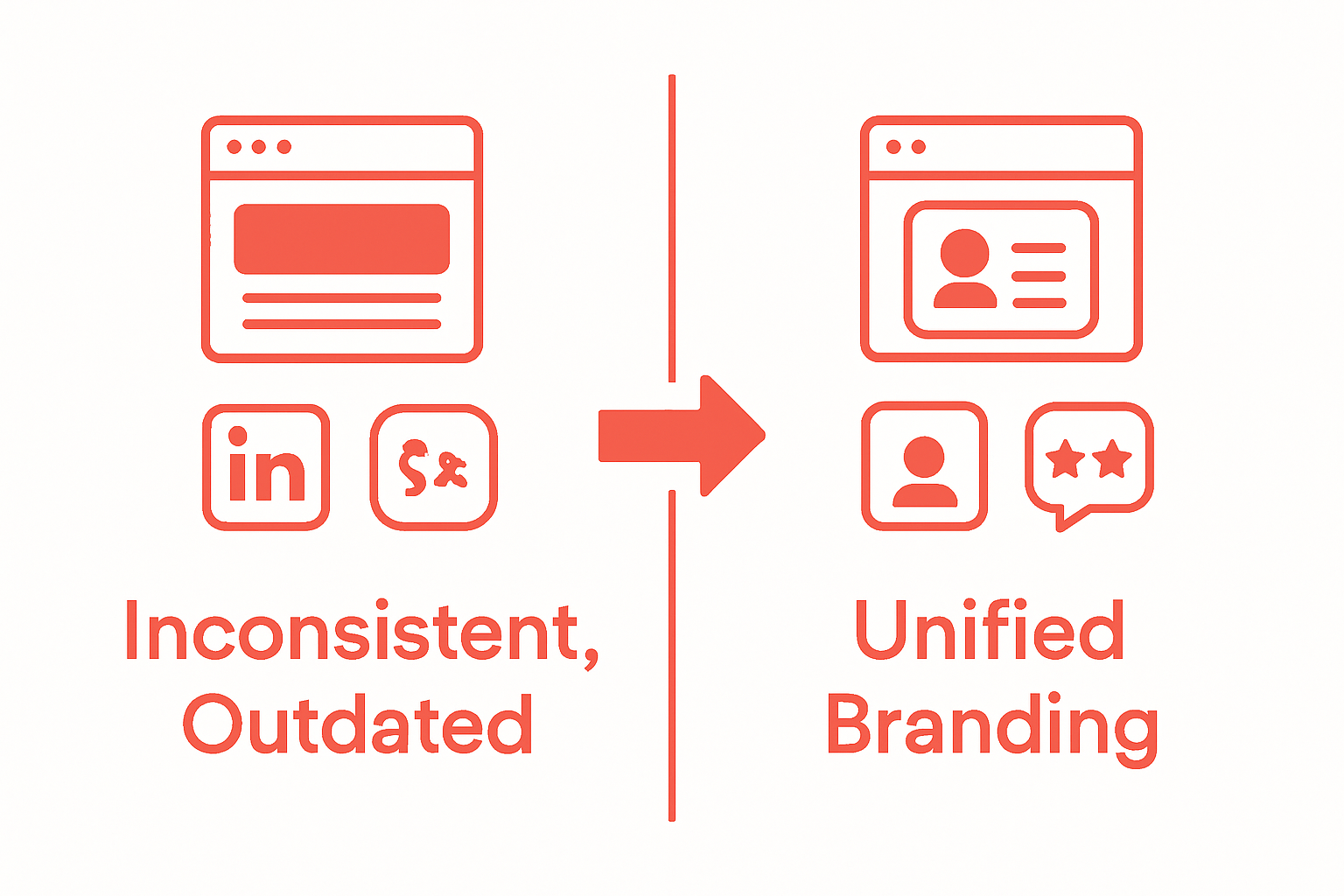
Successful completion of this step means having a clear, comprehensive understanding of your current online footprint and a prioritized list of improvements to implement in subsequent steps of building your digital brand.
Step 2: Define Your Target Audience and Messaging
Defining your target audience and crafting precise messaging is a critical foundation for building a strong online presence in real estate. This step transforms your digital strategy from generic broadcasting to targeted communication that resonates with specific client segments.
According to University of Georgia’s digital marketing research, understanding your audience allows for more effective and engaging content development. Begin by segmenting your potential real estate clients into distinct groups. These might include first-time homebuyers, luxury property investors, commercial real estate clients, downsizing seniors, or young professionals seeking urban properties.
Create detailed personas for each audience segment. Go beyond basic demographics and dive deep into their motivations, challenges, and communication preferences. For a first-time homebuyer persona, consider factors like age range, income level, career stage, family status, and specific housing needs. Understanding these nuanced details enables you to craft messaging that speaks directly to their unique circumstances and aspirations.
Your messaging should address specific pain points and desires for each persona. For instance, first-time homebuyers might need reassurance about the purchasing process, while luxury property investors will want market insights and investment potential details. Develop a consistent brand voice that remains authentic across different audience segments while subtly adjusting tone and content to match their specific interests.
Key elements to include in your audience and messaging strategy:
- Detailed client personas with comprehensive background information
- Tailored communication strategies for each audience segment
- Clear value propositions that speak to specific client needs
- Consistent brand messaging across all digital platforms
Verify the effectiveness of your audience definition by testing your messaging. Share draft personas and communication approaches with colleagues or a small group of potential clients. Their feedback will help refine your strategy and ensure your online presence genuinely connects with your intended audience.
Successful completion of this step means having a clear, well-researched understanding of your target clients and a strategic messaging framework that will guide your future online marketing efforts.
Step 3: Choose the Right Social Media Platforms
Selecting the optimal social media platforms is a strategic decision that can dramatically enhance your real estate online presence. Not all platforms are created equal, and your choice should align precisely with your target audience and professional objectives.
According to Wharton School’s digital marketing insights, the key is matching platform characteristics with your specific marketing goals. Instagram offers visual storytelling perfect for showcasing property listings with high-quality images and short video tours. LinkedIn provides professional networking opportunities and credibility within real estate industry circles. Facebook remains powerful for targeted advertising and community engagement, allowing you to create dedicated business pages and join real estate groups.
Evaluate each platform’s strengths through the lens of your previously defined audience personas. Younger first-time homebuyers might be more active on Instagram and TikTok, while professional investors might prefer LinkedIn’s more formal environment. Consider the type of content you can consistently produce and the platform’s native features that support real estate marketing.
Your platform selection strategy should prioritize quality over quantity. Concentrate your efforts on 2-3 platforms where you can maintain high-engagement, professional content rather than spreading yourself thin across multiple channels. This approach ensures you can create meaningful connections and showcase your expertise effectively.
Key considerations for platform selection:
- Audience demographics and platform usage patterns
- Your comfort level with creating different content types
- Platform-specific advertising and targeting capabilities
- Potential for organic reach and engagement
Verify your platform choices by monitoring engagement metrics, follower growth, and lead generation results. Be prepared to adjust your strategy if certain platforms aren’t delivering the desired outcomes.
Here is a summary table comparing popular social media platforms for real estate professionals, highlighting their key strengths and best-fit audience based on information discussed in the article.
| Platform | Key Strengths | Best For |
|---|---|---|
| Visual storytelling, listing photos, reels | First-time homebuyers, younger audiences | |
| Professional networking, industry credibility | Investors, industry partners, corporate clients | |
| Targeted ads, groups, business pages, community | Broad audiences, local engagement | |
| TikTok | Short, viral videos for property showcases | Younger demographics, creative engagement |
| Remember that building a strong online presence is an iterative process requiring continuous refinement and adaptation to changing digital landscapes. |
Successful completion of this step means having a clear, strategic selection of social media platforms that align with your target audience and professional brand, setting the stage for targeted digital marketing efforts.
Step 4: Create Engaging and Valuable Content
Creating engaging and valuable content transforms your online presence from a passive digital placeholder to an active, compelling professional platform. This step is about developing strategic content that attracts, educates, and converts potential real estate clients.
According to Cornell University’s content engagement research, effective content requires a thoughtful approach that balances information, entertainment, and value. Real estate professionals should aim to produce content that goes beyond simple property listings. Share market insights, neighborhood guides, first-time homebuyer tips, investment property strategies, and personal success stories that demonstrate your expertise and build trust.
Develop a consistent content strategy that reflects the audience personas you previously defined. For first-time homebuyers, create explainer videos about mortgage processes, infographics detailing home purchasing steps, and blog posts addressing common concerns. For luxury property investors, generate in-depth market trend analyses, investment property comparisons, and economic forecasts that showcase your professional knowledge.
Ensure your content maintains a professional yet approachable tone across all platforms. Use high-quality visuals like professional property photographs, well-designed graphics, and brief video content that captures attention quickly. Incorporate storytelling techniques that make complex real estate information accessible and engaging.
Content creation best practices include:
- Prioritize original, informative content over sales pitches
- Use a mix of media formats (text, images, short videos)
- Maintain consistent branding and messaging
- Update content regularly to reflect current market conditions
Implement a content calendar to maintain consistency and track your publishing schedule. This approach helps you plan diverse content types, ensure regular posting, and align your messaging with seasonal real estate trends. Track engagement metrics like views, shares, comments, and lead generation to continuously refine your content strategy.
Successful completion of this step means developing a robust, audience-focused content strategy that positions you as a knowledgeable and trustworthy real estate professional across your chosen digital platforms.
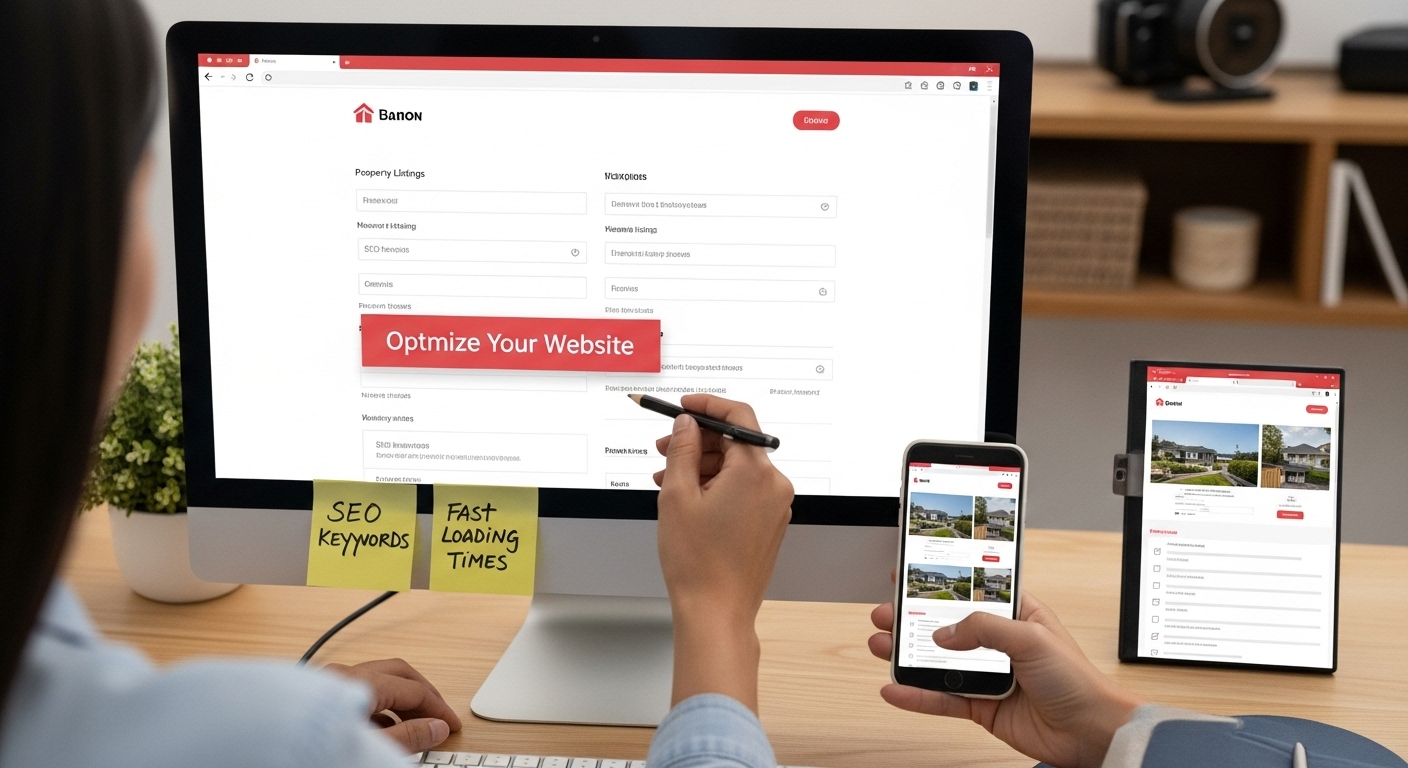
Step 5: Optimize Your Website for SEO and User Experience
Optimizing your website for search engines and user experience is a critical step in establishing a powerful online presence for real estate professionals. This process transforms your digital platform from a simple information repository to a dynamic, discoverable, and user-friendly resource.
According to Zillow’s web design research, the key to effective website optimization lies in creating an intuitive, informative, and easily navigable digital experience. Start by ensuring your website loads quickly and displays correctly across all devices. Mobile responsiveness is no longer optional but a fundamental requirement, as most potential clients will first encounter your site through smartphones or tablets.
Implement strategic search engine optimization techniques that help potential clients find you easily. This means incorporating relevant keywords naturally throughout your content, such as neighborhood names, property types, and real estate services you offer. Create descriptive, engaging page titles and meta descriptions that accurately represent your content and entice users to click. For property listings, include detailed, keyword-rich descriptions that highlight unique features and local area benefits.
Focus on creating a clean, professional website design that reflects your brand identity. Use high-quality images of properties, clear navigation menus, and easily accessible contact information. Integrate clear calls-to-action that guide visitors toward scheduling consultations, viewing listings, or downloading market reports. Check out our features for real estate professionals to enhance your website’s functionality.
Website optimization essential elements:
- Fast loading times across all devices
- Mobile-responsive design
- Clear, intuitive navigation
- Professional, consistent visual branding
- Easy-to-find contact information
Regularly audit your website’s performance using tools like Google Analytics and Google Search Console. These platforms provide insights into user behavior, traffic sources, and potential technical issues. Pay attention to metrics like bounce rate, average time on site, and conversion rates to continuously refine your website’s effectiveness.
Below is a website optimization checklist table to help you verify if your real estate website meets the recommended standards for SEO and user experience.
| Element | Best Practice/Requirement | Completion Status |
|---|---|---|
| Loading Speed | Site loads quickly on all devices | |
| Mobile Responsiveness | Displays correctly on smartphones/tablets | |
| Navigation | Clear, intuitive menus and structure | |
| Visual Branding | Professional, consistent visuals | |
| Contact Information | Easy to find and accessible | |
| SEO Keywords | Neighbourhoods, property types included | |
| Calls-to-Action | Prominent, direct user to next steps |
Successful completion of this step means having a professionally optimized website that not only ranks well in search results but also provides an exceptional user experience that converts visitors into potential clients.
Step 6: Monitor, Analyze, and Adjust Your Strategy
Building a strong online presence is an ongoing process that requires continuous monitoring, analysis, and strategic refinement. This final step transforms your digital strategy from a static plan into a dynamic, responsive approach that evolves with market conditions and audience engagement.
According to Harvard Business School’s research on digital technology in real estate, successful professionals must remain agile in their digital strategies. Begin by establishing a comprehensive analytics framework using tools like Google Analytics, social media insights, and platform-specific tracking mechanisms. These tools provide crucial data about your online performance, audience behavior, and content effectiveness.
Review your digital metrics on a monthly basis, examining key performance indicators such as website traffic, social media engagement rates, lead generation numbers, and conversion rates. Look beyond surface-level statistics to understand the deeper story behind the numbers. For instance, a low engagement rate might indicate that your content is not resonating with your target audience, signaling a need for strategic adjustment.
Develop a systematic approach to interpreting your analytics. Create a monthly reporting template that tracks your most important metrics, allowing you to identify trends, strengths, and areas for improvement. Pay special attention to which content types generate the most engagement and which platforms deliver the highest quality leads. This insight will help you allocate your time and resources more effectively.
Key metrics to track consistently:
- Website visitor numbers and sources
- Social media engagement rates
- Lead generation conversion rates
- Content performance across different platforms
- Client interaction and response times
Remain flexible and prepared to pivot your strategy based on your analytical insights. If certain content types or platforms are not delivering results, be willing to experiment with new approaches. Consider A/B testing different content styles, posting times, and messaging to refine your digital presence continuously.
Successful completion of this step means establishing a robust, data-driven approach to managing your online presence that allows for continuous improvement and adaptation to the dynamic real estate market.
Transform Your Real Estate Presence into Real Results
Are you striving to build a strong online presence, yet find that missed leads and slow responses keep your business from moving forward? In the dynamic real estate world, every second lost means a potential client heading elsewhere. The article highlights the importance of fast lead response, consistent digital branding, and efficient appointment scheduling—but bridging these steps can feel overwhelming without the right support. If you have ever wished for an easier way to handle inquiries on channels like SMS, Facebook, or Instagram, you are not alone. You do not have to let unqualified leads or slow follow-up stall your growth and reputation.

Let LeadLinker.co empower your online strategy with AI automation that responds to new leads instantly, qualifies prospects, and books appointments around the clock. Experience significant cost savings, higher conversion rates, and scalable growth—without extra staff. Ready to see more appointments and fewer missed opportunities? Start your journey today by visiting LeadLinker.co and explore our latest resources and tips to maximize your real estate success. Now is the time to invest in the future of your business—act today and build the strong online presence you deserve.
Frequently Asked Questions
How can I evaluate my current online presence in real estate?
Start by conducting a Google search of your full name and reviewing the search results to assess your online reputation. Check your professional profiles on LinkedIn, real estate listing websites, and social media platforms to identify strengths and weaknesses in your online identity.
What steps should I take to define my target audience in real estate?
Segment your potential clients into distinct groups, such as first-time homebuyers or luxury property investors. Create detailed personas for each group, including demographics, motivations, and challenges to tailor your messaging effectively.
Which social media platforms are best for real estate marketing?
Choose social media platforms that align with your target audience’s preferences. For example, Instagram is effective for visual content showcasing properties, while LinkedIn is better for professional networking and industry credibility. Concentrate on 2-3 platforms for consistency and engagement.
How do I create engaging content for my real estate audience?
Focus on producing informative and valuable content that addresses your audience’s needs, such as market insights, buying tips, or neighborhood guides. Use various media formats like videos and infographics to increase engagement and demonstrate your expertise.