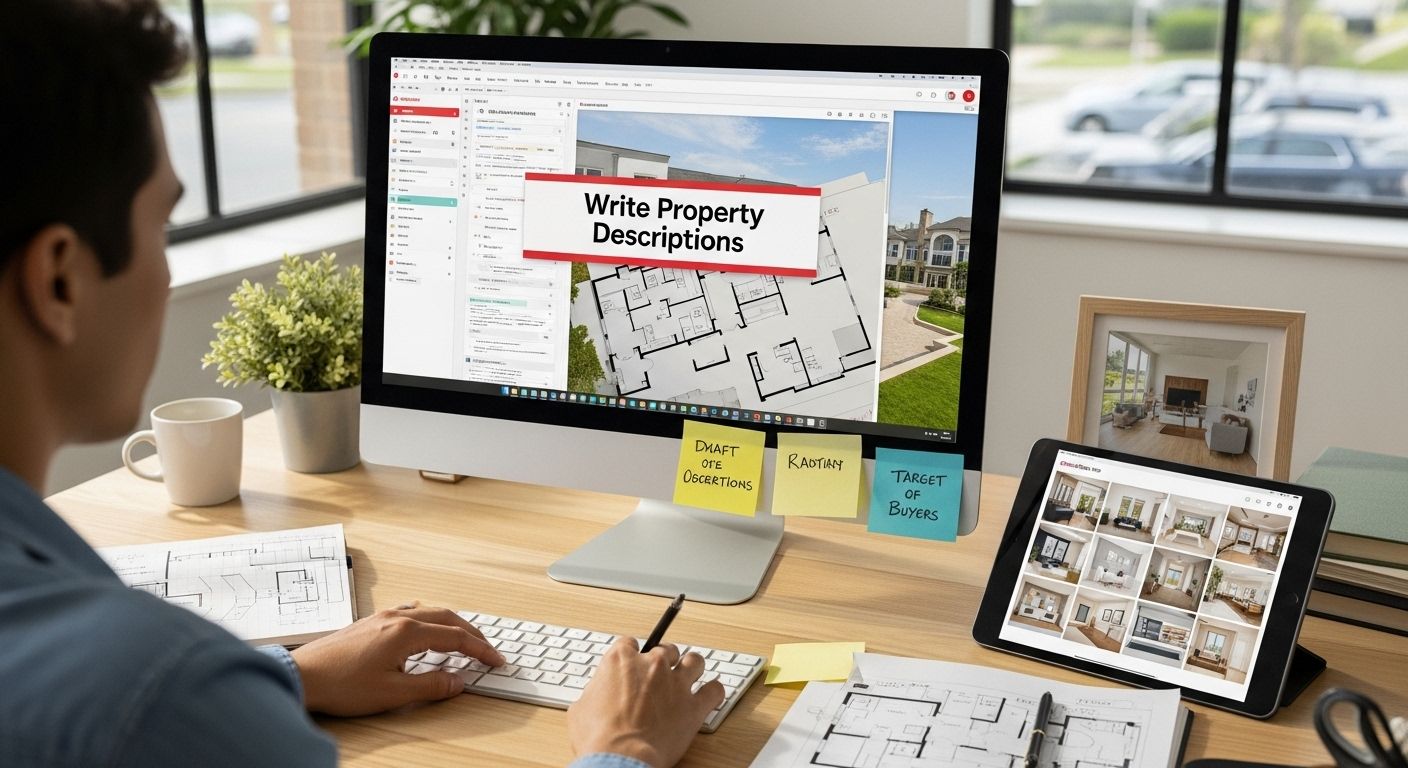
Writing a property description seems straightforward at first. You list the rooms, talk up the kitchen, and mention the neighbourhood. But the real difference comes from how well you know your buyer. Research shows that 68 percent of consumers expect personalized experiences from marketing. Most listings sound generic and stale, but a truly tailored description based on deep audience insights will make your property leap off the page and create an emotional pull that others miss.
Table of Contents
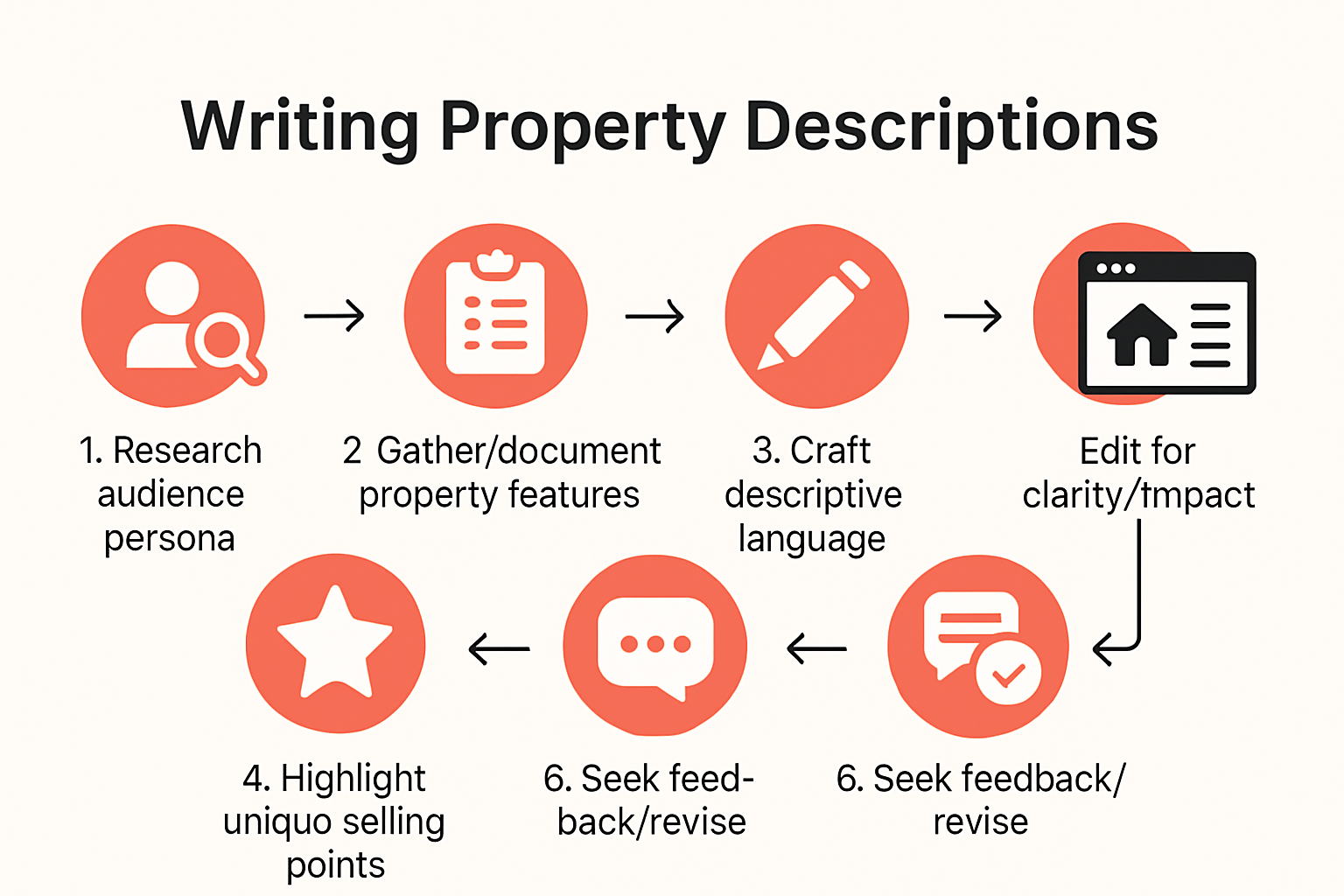
- Step 1: Research Your Target Audience
- Step 2: Gather Property Details and Features
- Step 3: Craft Compelling Descriptive Language
- Step 4: Highlight Unique Selling Points
- Step 5: Edit For Clarity and Impact
- Step 6: Seek Feedback and Revise
Quick Summary
| Key Point | Explanation |
|---|---|
| 1. Understand your target audience | Create a detailed profile of potential buyers to tailor descriptions effectively based on their lifestyle and housing needs. |
| 2. Collect comprehensive property details | Conduct thorough documentation of unique features, measurements, and aesthetic elements to create compelling narratives. |
| 3. Use compelling descriptive language | Employ sensory and emotional language to craft engaging property narratives that connect with buyers’ desires. |
| 4. Highlight unique selling points | Identify and emphasize distinctive features that differentiate the property, linking these to potential lifestyle benefits. |
| 5. Edit for clarity and impact | Refine descriptions to enhance readability and emotional appeal, ensuring that each word contributes to the property’s marketing. |
Step 1: Research Your Target Audience
Understanding your target audience is the critical foundation of writing property descriptions that truly sell. Before typing a single word, you need to develop a crystal clear picture of who will be reading and potentially purchasing the property. Successful real estate marketing begins with deep audience insights that go far beyond basic demographics.
Start by creating a comprehensive profile of potential buyers for the specific property you are describing. This means understanding not just age and income, but their lifestyle, aspirations, and specific housing needs. Are they young professionals seeking a modern urban loft? Families looking for suburban comfort? Retirees wanting low maintenance living? Each buyer segment requires a tailored approach to property description.
To develop this profile, leverage multiple research methods. Use local real estate market reports, analyze recent sales data in the neighborhood, and review comparable property listings. According to research from Harvard Business School, 68% of consumers expect personalized experiences, which means your property description must speak directly to their unique desires and pain points.
Gather intelligence through practical channels like local real estate agent networks, community demographic reports, and online platforms tracking neighborhood trends. Pay attention to micro details. A property near a university might attract graduate students and young academics, while a home in a quiet cul de sac could appeal to growing families seeking safety and community.
Your research should produce a detailed buyer persona that includes:
- Approximate age range
- Typical income bracket
- Professional background
- Family status
- Lifestyle preferences
- Specific housing requirements
Verify the effectiveness of your research by cross referencing multiple sources and ensuring your buyer persona feels authentic and specific. A well researched target audience profile transforms generic property descriptions into compelling narratives that resonate emotionally and drive potential buyers to take action.
Step 2: Gather Property Details and Features
After identifying your target audience, the next critical step is meticulously collecting every relevant detail about the property. Comprehensive documentation transforms average listings into compelling narratives that capture potential buyers’ imagination. Your goal is to create a thorough inventory of the property’s unique characteristics, going far beyond basic square footage and room count.
Begin by conducting a systematic physical walkthrough of the property, documenting everything from architectural features to subtle aesthetic details. Use a professional grade digital camera or smartphone with high resolution to capture wide angle room shots and close up details of distinctive elements. According to research from the University System of Georgia, comprehensive property documentation requires examining site descriptions, improvements, and specific property characteristics.
Collect precise measurements for each room, noting wall colors, flooring types, natural lighting conditions, and any recent renovations or upgrades. Pay special attention to unique features that might distinguish this property from similar listings. This could include custom built ins, historic architectural elements, recent energy efficient upgrades, or exceptional views. Professional real estate photographers recommend capturing spaces that tell a story, not just displaying empty rooms.
Utilize digital tools and apps designed for real estate professionals to streamline your documentation process. Many modern platforms allow you to create digital floor plans, track property measurements, and organize visual documentation seamlessly. Learn more about property documentation strategies to enhance your listing preparation.
Your documentation checklist should include:
- Precise room dimensions
- Architectural style and period
- Quality and condition of materials
- Recent renovation details
- Unique property features
- Landscape and exterior characteristics
Verify your documentation by cross referencing physical measurements, professional photographs, and written descriptions. A well documented property provides potential buyers with a comprehensive understanding of the space, transforming a simple listing into an irresistible opportunity.
To help you document every detail efficiently, here is a checklist table summarizing all key property features and characteristics you should record during your walkthrough.
| Feature/Detail | Description/Purpose | Verification Method |
|---|---|---|
| Room Dimensions | Accurate room sizes for each space | Physical measurement, floor plan |
| Architectural Style and Period | Identifies unique design and historical context | Visual inspection, building records |
| Materials Quality and Condition | Assess finishes, flooring, fixtures, and windows | Close-up photos, material appraisals |
| Recent Renovation Details | Notes upgrades that increase value | Receipts, permits, before/after photos |
| Unique Property Features | Highlights elements like built-ins or views | Photography, seller disclosures |
| Landscape and Exterior | Describes garden, patios, curb appeal | Walkaround inspection, photos |
Step 3: Craft Compelling Descriptive Language
Descriptive language is the magical bridge that transforms a simple property listing into an emotionally engaging narrative that captures potential buyers’ imagination. Your words are not just describing a space they are selling a lifestyle and an experience. The art of crafting compelling property descriptions requires strategic language selection that speaks directly to your target audience’s deepest desires and aspirations.
Begin by moving beyond basic feature listings and creating a sensory journey that allows readers to mentally walk through the property. According to research from the Pennsylvania Association of Realtors, strategic word selection can dramatically enhance listing appeal. Choose descriptive adjectives that evoke emotion and paint vivid mental pictures. Words like “sunlit,” “serene,” “meticulously maintained,” and “inviting” transform standard descriptions into captivating narratives.
Focus on storytelling techniques that highlight the property’s unique character. Instead of simply stating “large kitchen,” describe how the space invites family gatherings or enables culinary creativity. Highlight architectural details that make the property special. Emphasize how specific features solve potential buyers’ lifestyle needs. A home office becomes a “productive sanctuary” while a backyard transforms into an “entertainment oasis.”
Explore advanced property description techniques to refine your narrative approach. Craft descriptions that answer potential buyers’ unspoken questions about how this property could enhance their daily life.
Your language strategy should include:
- Sensory rich descriptive terms
- Emotionally engaging narratives
- Feature benefits instead of mere specifications
- Lifestyle context for each property element
- Subtle storytelling techniques
Verify your description’s effectiveness by reading it aloud. If the text creates a vivid mental image and emotional connection, you have successfully transformed a property listing into an irresistible invitation to imagine a new life within those walls.

Step 4: Highlight Unique Selling Points
Every property has a hidden gem waiting to be discovered and showcased. Identifying and dramatically highlighting these unique selling points can transform an ordinary listing into an extraordinary opportunity that captures potential buyers’ imagination. Your mission is to uncover those distinctive features that set this property apart from every other listing in the market.
Start by conducting a deep analysis of the property’s most exceptional characteristics. These might be architectural details, location advantages, recent upgrades, or special amenities that create genuine value. According to research from the Utah Education Network, understanding economic characteristics like location, scarcity, and improvements can significantly impact a property’s perceived value.
Consider the property from multiple perspectives. A seemingly ordinary feature could be extraordinary to the right buyer. A small home office might represent a dream workspace for remote professionals. A modest backyard could be a potential urban garden paradise. The key is connecting specific features to potential lifestyle benefits. Instead of just listing square footage, describe how the space enables specific life experiences.
Explore advanced property marketing techniques to refine your unique selling point strategy. Think beyond physical attributes and consider the emotional and practical value each feature represents.
Your unique selling point checklist should include:
- Architectural uniqueness
- Location based advantages
- Recent high value renovations
- Potential lifestyle enhancements
- Neighborhood specific benefits
- Energy efficiency features
Verify the effectiveness of your unique selling points by asking yourself a critical question: Would these features make someone stop scrolling and imagine themselves living in this space? If the answer is a resounding yes, you have successfully transformed standard property details into a compelling narrative that speaks directly to potential buyers’ aspirations.
Step 5: Edit for Clarity and Impact
Editing transforms good property descriptions into exceptional marketing tools that capture potential buyers’ attention. The refinement process is where raw information becomes a compelling narrative that resonates emotionally and intellectually. Your goal is to create a crisp, engaging description that communicates maximum value with minimum words.
Approach editing as a strategic process of elimination and enhancement. Read your initial draft with a critical eye, removing unnecessary words, redundant phrases, and anything that does not directly contribute to the property’s appeal. According to research from the National Institutes of Health, visual clarity and concise formatting significantly improve reader comprehension and engagement.
Focus on creating a rhythm in your description that guides potential buyers through the property’s story. Each sentence should serve a specific purpose either highlighting a unique feature, solving a potential buyer’s need, or creating an emotional connection. Eliminate technical jargon and replace complex terms with clear, accessible language that speaks directly to your target audience. A description about a “state of the art kitchen” becomes more compelling when you explain how its design enables effortless cooking and entertaining.
Discover advanced property description techniques to refine your editing approach. Professional real estate writers understand that editing is about creating impact, not just correcting grammar.
Your editing checklist should include:
- Remove redundant descriptions
- Replace passive with active language
- Ensure emotional and logical appeal
- Verify alignment with target audience
- Check for grammatical precision
- Confirm concrete, specific details
Verify your edited description by reading it aloud. If it sounds natural, creates a vivid mental image, and makes you want to tour the property, you have successfully transformed a basic listing into a powerful marketing narrative that will attract serious buyers.
Step 6: Seek Feedback and Revise
Feedback is the critical checkpoint that transforms a good property description into an exceptional marketing tool. Seeking external perspectives provides invaluable insights that can elevate your narrative from acceptable to irresistible. The revision process is not about criticism but strategic refinement that ensures your description resonates with potential buyers.
Begin by assembling a diverse feedback panel representing different perspectives. Include colleagues with real estate marketing experience, professionals who understand your target audience, and individuals who match the potential buyer profile. According to research from the National Academies Press, effective communication requires understanding multiple viewpoints and visualizing how information is perceived by different stakeholders.
When soliciting feedback, provide specific guidance to ensure meaningful input. Ask targeted questions that go beyond general impressions. Request insights on emotional impact, clarity, potential misunderstandings, and whether the description genuinely motivates someone to schedule a property viewing. Constructive feedback should challenge your initial perspective and reveal potential blind spots in your marketing approach. Professional reviewers might highlight nuanced language choices or suggest more compelling ways to frame unique property features.
Explore advanced property description optimization techniques to refine your feedback collection strategy. The most successful real estate professionals treat description writing as a collaborative process.
Your feedback collection checklist should include:
- Diverse reviewer backgrounds
- Specific evaluation criteria
- Openness to constructive criticism
- Multiple revision iterations
- Objective performance metrics
- Comparative market analysis
Verify the effectiveness of your revised description by measuring its performance. Track metrics like viewer engagement, inquiry rates, and scheduling of property viewings. A truly exceptional property description transforms passive readers into actively interested potential buyers.
Here is a feedback and revision checklist to ensure your property description is polished, compelling, and effective before publishing.
| Feedback Step | Description | Who Should Review |
|---|---|---|
| Gather Diverse Reviewer Input | Include real estate pros and target buyer personas | Agents, target buyers |
| Set Evaluation Criteria | Focus on clarity, emotional appeal, accuracy | All reviewers |
| Be Open to Constructive Criticism | Encourage specific, honest suggestions | All reviewers |
| Revise Iteratively | Make multiple updates based on feedback | Listing writer/agent |
| Check Objective Performance | Assess viewer engagement and inquiries post-update | Listing analytics, CRM |
| Compare to Market Descriptions | Benchmark against successful local listings | Agents, marketing team |
Take Your Property Descriptions from Memorable to Unforgettable
You learned how mastering detailed research, crafting compelling language, and highlighting unique selling points are vital for writing property descriptions that truly convert. But if you are still spending countless hours manually responding to buyer inquiries or worrying about lost leads while you focus on writing, your hard work can go unnoticed. The biggest challenge for top agents is making sure high quality descriptions actually lead to booked appointments and qualified clients.

Stop missing out on serious buyers because of slow responses or overlooked messages. Discover how LeadLinker.co supports real estate professionals by automating lead response and nurturing across every step of the process. AI-powered tools make sure your crafted descriptions are matched with instant, personalized follow-ups, real-time lead qualification, and seamless appointment booking. See firsthand how our platform can help you combine powerful marketing content with automation that grows your sales pipeline.
Get started now at LeadLinker.co and transform more readers into appointments.
Frequently Asked Questions
How do I identify my target audience for property descriptions?
To identify your target audience, create a comprehensive profile that includes factors such as age, income, lifestyle preferences, and specific housing needs. Analyze local market reports, comparable property listings, and community demographics to build an accurate buyer persona.
What important details should I gather about a property before writing its description?
Gather precise physical details including room dimensions, architectural features, quality of materials, recent renovations, and any unique selling points. Conduct a thorough walkthrough and document aesthetic details and distinctive elements that might attract buyers.
How can I make my property descriptions more engaging and emotionally appealing?
Use sensory-rich language and storytelling techniques that highlight the property’s unique character. Focus on the benefits of each feature, showing how they align with potential buyers’ lifestyles and aspirations, transforming basic descriptions into compelling narratives.
What are unique selling points, and how do I highlight them in property descriptions?
Unique selling points are distinctive features that set a property apart from others, such as architectural style, location advantages, or recent upgrades. Emphasize these points by connecting each feature to a potential lifestyle enhancement, thereby creating a narrative that resonates with buyers.