

Millennials are changing the face of real estate right across Canada and the numbers back it up. This generation now accounts for about 43 percent of all homebuyers, the biggest share on record. That sounds like a massive wave of first-time buyers flooding the market, right? Actually, most are buying later, choosing smaller spaces, and passing on the white-picket-fence dream their parents chased. Instead, they are turning to flexible living, smart tech, and locations where Wi-Fi is more important than a backyard.
Table of Contents
- What Defines Millennial Home Buying Trends?
- Why Millennial Trends Matter In Real Estate
- How Economic Factors Influence Millennial Home Buyers
- Key Preferences Of Millennial Home Buyers
- The Impact Of Technology On Millennial Home Buying
Quick Summary
| Takeaway | Explanation |
|---|---|
| Millennials prioritize flexibility in home buying. | Financial constraints lead millennials to seek affordable and adaptable housing options rather than traditional ownership. |
| Technology influences property purchases significantly. | Digital tools like virtual tours and smart home features are essential for millennials during their home search. |
| Economic challenges impact homeownership aspirations. | High student debt and stagnant wages force millennials to rethink traditional pathways to homeownership and investment. |
| Location and lifestyle are crucial for millennials. | Desired neighborhoods focus on walkability, transportation access, and proximity to work, reflecting their modern lifestyle needs. |
| Sustainable and energy-efficient homes are expected. | Millennials actively seek homes with green features and smart technology that align with their values and lifestyle choices. |
What Defines Millennial Home Buying Trends?
Millennial home buying trends represent a significant shift in real estate preferences and purchasing behaviors compared to previous generations. These trends are shaped by unique economic, technological, and social factors that distinguish millennials from their predecessors.
Economic Constraints and Aspirations
Understanding millennial home buying trends begins with recognizing the financial landscape confronting this generation. According to research from the Urban Institute, millennials face unprecedented economic challenges that directly impact their homeownership journey. Key economic factors include:
- Substantial student loan debt
- Delayed marriage and family formation
- Wage stagnation relative to housing costs
- Higher living expenses in urban centers
These economic realities have fundamentally transformed how millennials approach home purchasing, often prioritizing flexibility, affordability, and strategic investment over traditional homeownership models.
Technology and Location Preferences
Millennial home buying trends are intrinsically linked to technological connectivity and lifestyle preferences. This generation values smart home technologies, energy efficiency, and digital infrastructure more than previous generations. They are more likely to research properties online, use digital platforms for mortgage applications, and prioritize locations with strong internet connectivity.
Moreover, millennials demonstrate a preference for urban and suburban locations that offer walkability, access to public transportation, and proximity to professional opportunities. Learn more about marketing strategies for this generation, which can help real estate professionals better understand and serve millennial clients.
Changing Homeownership Perspectives
Contrary to popular narratives, millennials remain committed to homeownership, albeit with different expectations. They view real estate not just as a living space but as a potential investment and lifestyle choice. Many seek properties that can accommodate remote work, offer multi-functional spaces, and align with their personal and professional goals.
This generation approaches home buying with more research, financial caution, and strategic planning compared to previous generations, reflecting their unique economic and social experiences.
To clarify the differences in home buying approaches between millennials and previous generations, the following table compares key characteristics highlighted in the article.
| Aspect | Millennials | Previous Generations |
|---|---|---|
| Age at First Purchase | Generally older, buy later | Typically younger, buy earlier |
| Property Type Preference | Smaller spaces, condos, flexible multi-use homes | Detached single-family houses |
| Location Priorities | Urban/suburban, walkability, transit, proximity to work, strong Wi-Fi | Suburban/rural, larger lots, car-centric, backyard emphasis |
| Technology Usage in Home Search | Essential: virtual tours, online research, digital mortgage platforms | Minimal: in-person tours, traditional agents |
| Sustainability Focus | High: energy efficiency, green features expected | Lower emphasis |
| View of Homeownership | Strategic, cautious, values flexibility and investment | Standard life milestone, less emphasis on flexibility |
| Investment Strategy | Careful research, rental income, long-term planning | Conventional, primary residence focus |
Why Millennial Trends Matter in Real Estate
Millennial trends have profound implications for real estate professionals, fundamentally reshaping market dynamics, investment strategies, and property development approaches. Understanding these trends is no longer optional but essential for sustainable business growth.
Market Size and Economic Impact
Millennials represent the largest demographic cohort since the baby boomers, wielding significant economic influence in the real estate market. According to research from the National Association of Realtors, millennials now constitute the largest segment of homebuyers, accounting for approximately 43% of the total home purchasing market.
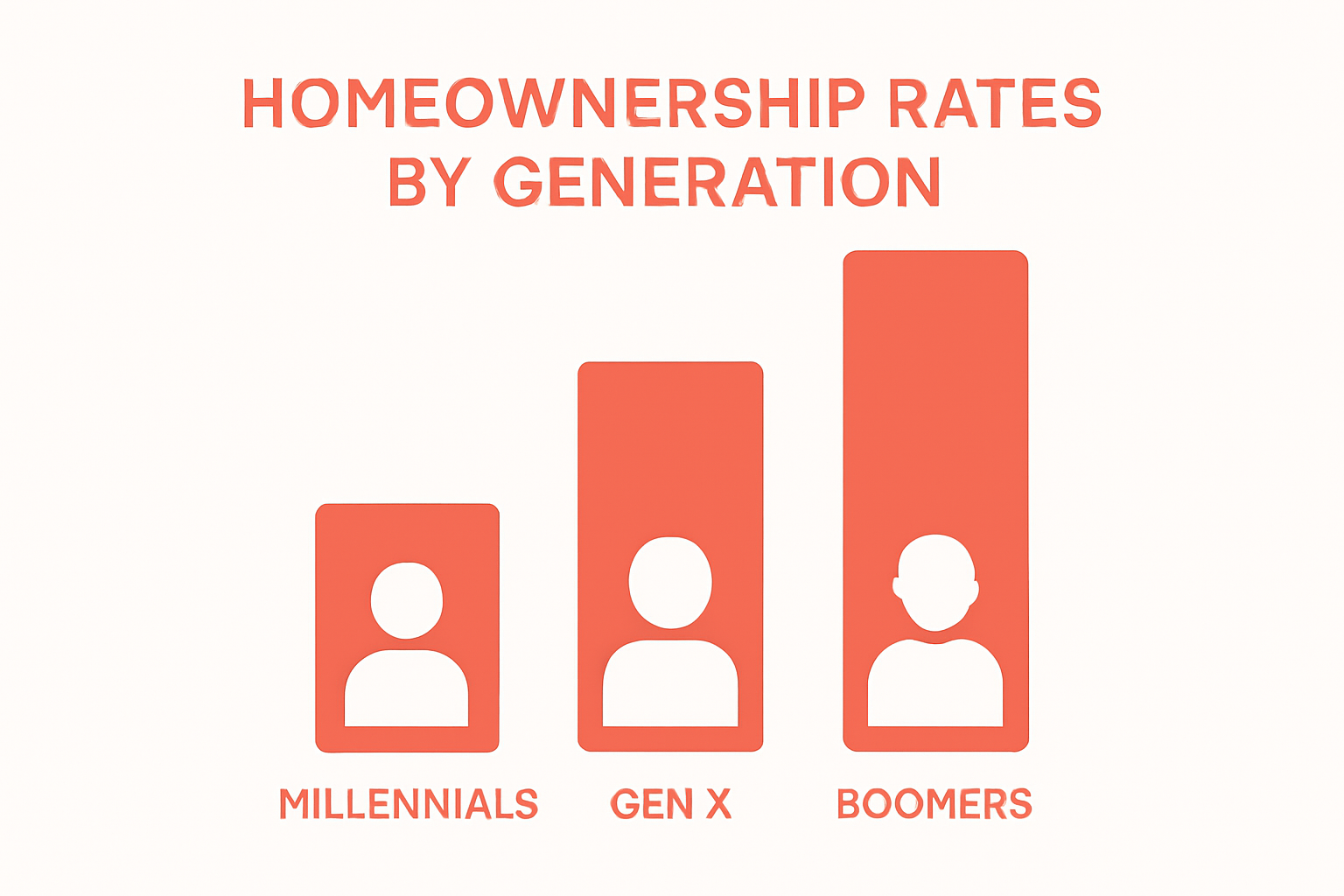
This demographic shift translates into substantial economic implications:
- Increased demand for starter homes and urban residential properties
- Growing preference for technology-integrated living spaces
- Higher expectations for sustainable and energy-efficient housing
- Emphasis on flexible living arrangements that support remote work
Technological Transformation of Real Estate
Millennial preferences are accelerating technological innovation within real estate. Explore how agents can adapt to emerging market trends, as digital platforms, virtual tours, and AI-driven property matching become standard industry practices. This generation expects seamless digital experiences throughout their home buying journey, compelling real estate professionals to invest in advanced technological solutions.
Long-Term Strategic Implications
Millennial home buying trends signal more than a temporary market shift they represent a fundamental restructuring of real estate consumption. By prioritizing experiences over traditional asset ownership, this generation is challenging established real estate paradigms. Real estate professionals who understand and anticipate these evolving preferences will be better positioned to develop targeted marketing strategies, design appropriate property portfolios, and create more responsive service models.
Ultimately, millennial trends are not just about understanding a single generation but about recognizing the broader transformation of housing preferences, economic realities, and technological expectations in contemporary society.
How Economic Factors Influence Millennial Home Buyers
Economic factors play a critical role in shaping millennial home buying behaviors, creating a complex landscape of financial challenges and strategic decision making. Understanding these economic dynamics is essential for comprehending the unique approach this generation takes toward real estate investment.
Debt and Income Challenges
Millennials face unprecedented economic constraints that significantly impact their home buying potential. According to research from Wharton University, this generation confronts substantial financial hurdles:
- Substantial student loan debt averaging $35,000 per graduate
- Stagnant wage growth relative to rising living expenses
- Higher costs of healthcare and education
- Limited retirement savings and financial reserves
These economic realities create significant barriers to traditional homeownership, forcing millennials to develop more innovative and flexible approaches to real estate investment.
This table summarizes the main economic constraints faced by millennials as they navigate the path to homeownership, as described throughout the article.
| Economic Constraint | Description | Impact on Home Buying |
|---|---|---|
| Student Loan Debt | High average loans per graduate | Delays down payment savings, limits mortgage |
| Wage Stagnation | Income growth has not kept pace with living costs | Reduces affordability, delays entry |
| High Urban Living Expenses | Major cities have escalating housing and living costs | Pushes buyers towards smaller or alternate homes |
| Rising Healthcare & Education | Increased spending required for other life expenses | Depletes savings for buying a home |
| Limited Retirement Savings | Fewer financial reserves for emergencies or large purchases | Increases financial caution |
| Delayed Marriage/Family Formation | Life milestones postponed compared to prior generations | Changes timeline and motivations for purchase |
Investment Strategy Adaptations
Discover strategies for engaging millennial real estate clients, as this generation reimagines property ownership through a pragmatic economic lens. Many millennials view real estate not as an automatic life milestone, but as a carefully calculated financial decision. They prioritize properties that offer potential appreciation, rental income opportunities, and alignment with their long term financial goals.
Technological and Financial Innovation
Economic pressures have accelerated technological solutions that help millennials navigate complex real estate markets. Digital platforms, fractional ownership models, and alternative financing options are emerging as critical tools for overcoming traditional economic barriers. Crowdfunding real estate investments, rent-to-own programs, and shared equity models represent innovative approaches that provide more accessible pathways to property ownership.
Ultimately, economic factors are reshaping not just how millennials buy homes, but fundamentally transforming their entire approach to wealth accumulation and asset management.
Key Preferences of Millennial Home Buyers
Millennial home buyers represent a distinctive demographic with complex and evolving preferences that challenge traditional real estate market assumptions. Their approach to homeownership reflects broader socioeconomic shifts and technological transformations.
Location and Lifestyle Integration
According to research from the National Association of Realtors, millennial home buying preferences are deeply intertwined with lifestyle considerations:
- Proximity to professional opportunities
- Access to public transportation
- Walkable neighborhood environments
- High speed internet infrastructure
- Flexible living and working spaces
These preferences demonstrate a significant departure from previous generations, prioritizing experience and connectivity over traditional homeownership metrics.
Technological and Sustainable Design
Explore strategies for understanding millennial real estate expectations, as this generation seeks homes that seamlessly integrate technology and sustainability. Smart home features, energy efficient systems, and environmentally conscious design are no longer optional but expected standards for millennial buyers.
Millennials want homes that reflect their values sustainability, technological integration, and adaptable living spaces. They view real estate as more than a financial investment but as an extension of their personal and professional identities.
Financial Pragmatism and Flexibility
Beyond aesthetic and technological considerations, millennial home buyers demonstrate remarkable financial pragmatism. They are more likely to consider alternative housing models such as:

- Multifamily residential units
- Condominiums with shared amenities
- Properties with potential rental income opportunities
- Homes that accommodate remote work configurations
This generation approaches homeownership as a strategic life decision, balancing emotional aspirations with careful financial planning and long term value assessment.
The Impact of Technology on Millennial Home Buying
Technology has fundamentally transformed the millennial home buying experience, revolutionizing how this generation researches, evaluates, and ultimately purchases real estate. From initial property searches to final transaction processes, digital innovations have reshaped every aspect of home acquisition.
Digital Property Discovery and Evaluation
According to research from Harvard University’s Joint Center for Housing Studies, millennials leverage technology in unprecedented ways during their property search. Key technological interventions include:
- Virtual and 3D property tours
- Advanced online property comparison platforms
- AI driven recommendation algorithms
- Real time neighborhood demographic analysis
- Instant mortgage pre qualification tools
These digital solutions enable millennials to conduct comprehensive property evaluations without traditional physical constraints, dramatically accelerating and personalizing the home buying process.
Smart Home Integration and Decision Making
Explore cutting edge real estate technology trends, as technology becomes an integral component of home valuation for millennials. Smart home features are no longer luxury additions but critical decision making factors. Potential buyers now assess properties based on integrated technological capabilities such as energy management systems, security networks, and home automation potential.
Technology transforms homes from static assets into dynamic, interconnected living environments that align with millennials professional and personal lifestyle requirements.
Financial Technology and Transaction Processes
Financial technology platforms have democratized and simplified complex real estate transactions. Millennials increasingly utilize digital mortgage applications, blockchain verified property records, and automated investment platforms that provide unprecedented transparency and efficiency.
These technological innovations reduce traditional barriers to entry, offering more accessible pathways to homeownership by streamlining documentation, reducing transaction costs, and providing real time financial insights.
Turn Millennial Home Buying Insight into Real Estate Results with LeadLinker
Millennial buyers are reshaping the real estate landscape. They expect rapid communication, digital convenience, and personalized touchpoints. The pain point for many real estate professionals is clear: if you miss even a single lead or delay your response, you risk losing a tech-savvy client who values seamless experiences. As described above, millennials do not wait around. They research, compare, and act fast, often relying on digital platforms at every step. Meeting their expectations requires more than traditional lead management. You need a modern solution that matches their pace and preferences—while keeping your workflow efficient and stress-free.

Why wait and risk another lost opportunity? With LeadLinker.co, you can:
- Automate instant responses to millennial leads day and night.
- Qualify and book appointments directly in your calendar while staying connected across SMS, email, and social channels.
- Capture leads where they engage most, and never let a serious buyer slip away due to slow follow-up.
Make your business adaptable to the new wave of millennial expectations. Visit the LeadLinker.co platform to see how our AI-driven tools help you turn modern buying trends into more appointments and closed deals. Start transforming your lead management system right now—for a real, measurable difference in your client experience.
Frequently Asked Questions
What are the main economic challenges that millennials face when buying homes?
Millennials face significant economic challenges, including substantial student loan debt, wage stagnation, and high living expenses in urban areas. These factors often lead to delayed home purchases and necessitate more flexible and affordable housing options.
How has technology changed the home buying process for millennials?
Technology has transformed the home buying experience for millennials by enabling online property searches, virtual tours, and the use of digital platforms for mortgage applications. Smart home features and energy efficiency are also increasingly important to this demographic when evaluating properties.
What preferences do millennials have regarding home location and lifestyle?
Millennials prefer homes located in walkable urban and suburban areas with easy access to public transportation, professional opportunities, and high-speed internet. They value lifestyle factors, such as proximity to amenities and flexible living spaces that accommodate remote work.
How do millennials approach homeownership differently than previous generations?
Millennials view homeownership as a strategic financial decision rather than a mandatory life milestone. They prioritize properties that offer potential for investment, rental income, and adaptability to changing lifestyle needs. This reflects a more cautious and research-oriented buying approach.