

Every real estate agent wants more website traffic and better-quality leads. Most people think tweaks like catchy headlines or flashy images are enough. But get ready for a surprise. A site that loads in under 3 seconds can make the difference between landing a sale or losing a client forever. The real secret is a step-by-step strategy built on data, not guesswork, and that changes everything about winning clients online.
Table of Contents
- Step 1: Audit Your Current Website Performance
- Step 2: Identify Your Target Audience And Keywords
- Step 3: Optimize Your Website Content For Seo
- Step 4: Leverage Social Media To Drive Traffic
- Step 5: Implement Tracking Tools To Measure Success
- Step 6: Adjust Strategies Based On Data Insights
Quick Summary
| Key Point | Explanation |
|---|---|
| 1. Conduct a thorough website audit | Use tools like Google Lighthouse to assess page speed, mobile responsiveness, SEO, and user experience. |
| 2. Define your target audience and keywords | Create detailed buyer personas and use specific, intent-driven keywords to attract ideal clients. |
| 3. Optimize content for SEO effectively | Ensure high-quality content aligns with targeted keywords, engaging both users and search engines. |
| 4. Utilize social media strategically | Tailor content for each platform and engage consistently to drive traffic to your website. |
| 5. Implement tracking and adjust strategies | Use analytics tools to measure performance, identify areas for improvement, and refine marketing tactics continuously. |
Step 1: Audit Your Current Website Performance
Building website traffic starts with a critical first step: thoroughly understanding your current website’s performance. Before implementing any traffic generation strategies, you need a comprehensive assessment of your digital foundation. This audit will help you identify strengths, weaknesses, and opportunities for improvement that directly impact your real estate website’s ability to attract and convert potential clients.
To conduct an effective website performance audit, leverage powerful diagnostic tools that provide deep insights into your site’s functionality and user experience. Google Lighthouse emerges as an exceptional free resource for this evaluation. This comprehensive tool assesses multiple critical aspects of your website, including page speed, mobile responsiveness, search engine optimization, and overall user experience. By running a Lighthouse audit, you’ll receive a detailed report highlighting areas requiring immediate attention.
Key performance metrics to examine during your audit include page loading speed, mobile compatibility, and search engine visibility. Slow-loading pages can dramatically reduce visitor engagement and search rankings. Learn more about website conversion optimization to understand how performance directly correlates with lead generation. Real estate professionals must recognize that potential clients are unlikely to wait more than a few seconds for a website to load. Your site should load completely within 2-3 seconds across desktop and mobile platforms.
Below is a summary table of key tools and their purposes for auditing your real estate website performance.
| Tool/Resource | Purpose | Key Features |
|---|---|---|
| Google Lighthouse | Diagnose site performance & user experience | Measures speed, SEO, accessibility |
| Chrome DevTools | Access Lighthouse and inspect elements | Runs audits directly in browser |
| Browser Extension | Convenient Lighthouse testing | Quick, repeatable tests on any page |
| Google Search Console | Monitor organic search performance | Tracks visibility, search errors |
| Analytics Tools | Analyze user behaviour and engagement | Provides traffic patterns and insights |
The audit process involves several strategic steps. First, use Google Lighthouse through Chrome DevTools or as a browser extension. Run multiple tests to ensure consistent results, examining scores across performance, accessibility, best practices, and SEO categories. Pay special attention to specific metrics like:
- First Contentful Paint (how quickly initial content appears)
- Total Blocking Time (responsiveness during page load)
- Cumulative Layout Shift (visual stability of page elements)
Don’t be discouraged if your initial results are less than perfect. These diagnostic tools provide actionable recommendations for improvement. By systematically addressing each highlighted issue, you’ll progressively enhance your website’s performance, creating a more attractive digital platform for potential real estate clients.
Step 2: Identify Your Target Audience and Keywords
Successful building website traffic requires laser-focused understanding of who you want to attract and what they are searching for online.
In real estate, this means developing a crystal-clear picture of your ideal client and the specific language they use when seeking property information. By precisely defining your target audience and strategically selecting keywords, you transform your website from a generic digital brochure into a precision-engineered lead generation machine.
Demographic profiling becomes your first critical task. Real estate professionals must move beyond broad categories and create detailed buyer personas representing your most promising potential clients. Consider factors like age range, income bracket, professional background, family status, and specific real estate needs. Are you targeting first-time homebuyers, luxury property investors, commercial real estate clients, or retirement property seekers? Each segment requires a nuanced approach to messaging and keyword selection.
Discover advanced lead conversion strategies that complement your audience targeting efforts. Keyword research transforms from a technical exercise into a strategic communication tool. Utilize platforms like Google Keyword Planner, SEMrush, and Ahrefs to uncover search terms potential clients actually use. Focus on long-tail keywords that reveal specific intent, such as “waterfront homes in Vancouver under 500k” or “downtown Toronto condos with parking” instead of generic terms like “real estate.”
Your keyword strategy should balance search volume with specificity. Aim for keywords with moderate competition but clear purchase intent. Compile a comprehensive list that includes:
- Location-specific search terms
- Property type keywords
- Price range descriptors
- Specific buyer persona needs
Remember that effective keyword selection is an ongoing process. Regularly review and refine your list based on actual search data and changing market dynamics. By creating a dynamic, responsive approach to audience targeting and keyword research, you’ll build a website that not only attracts traffic but converts visitors into genuine real estate leads.
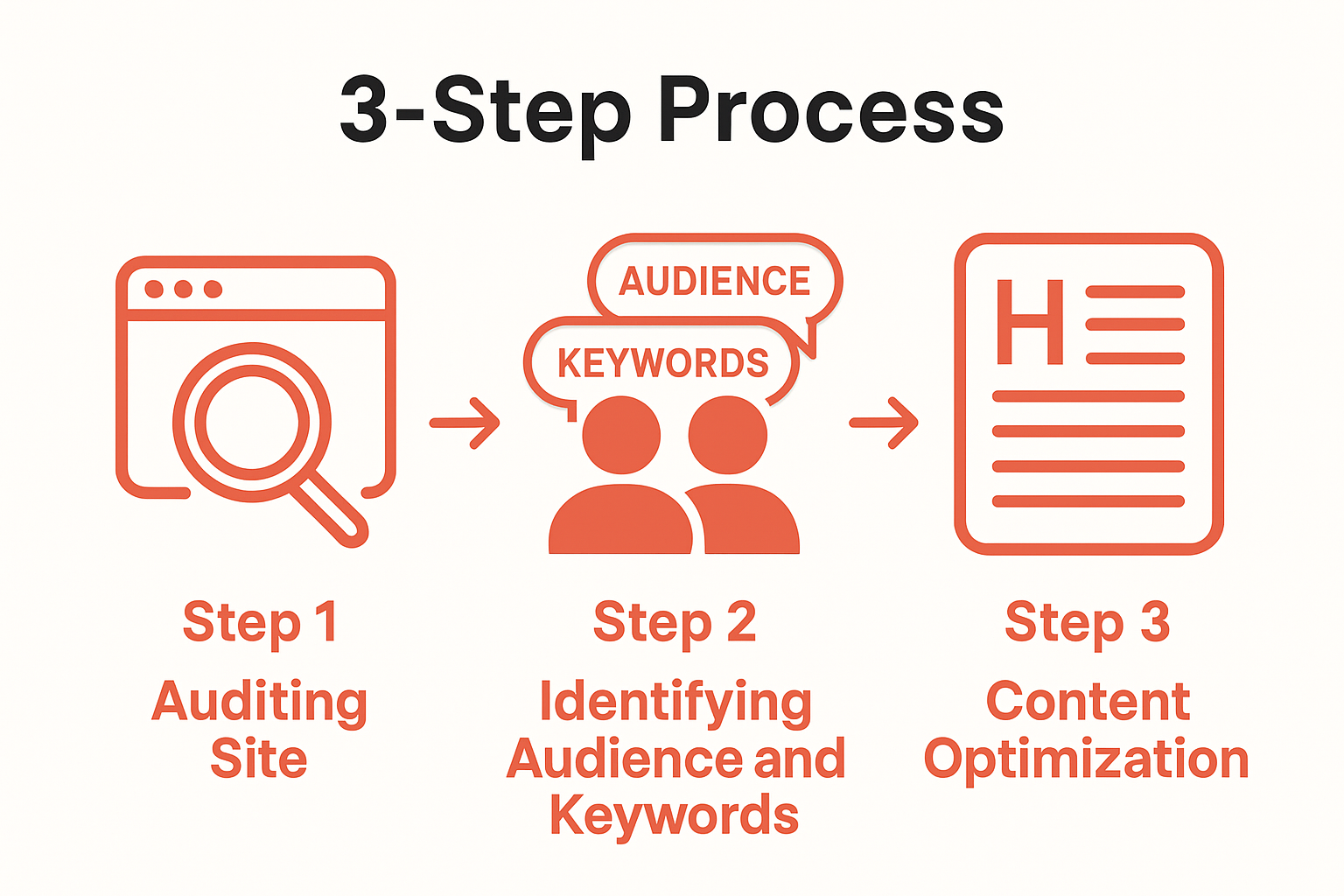
Step 3: Optimize Your Website Content for SEO
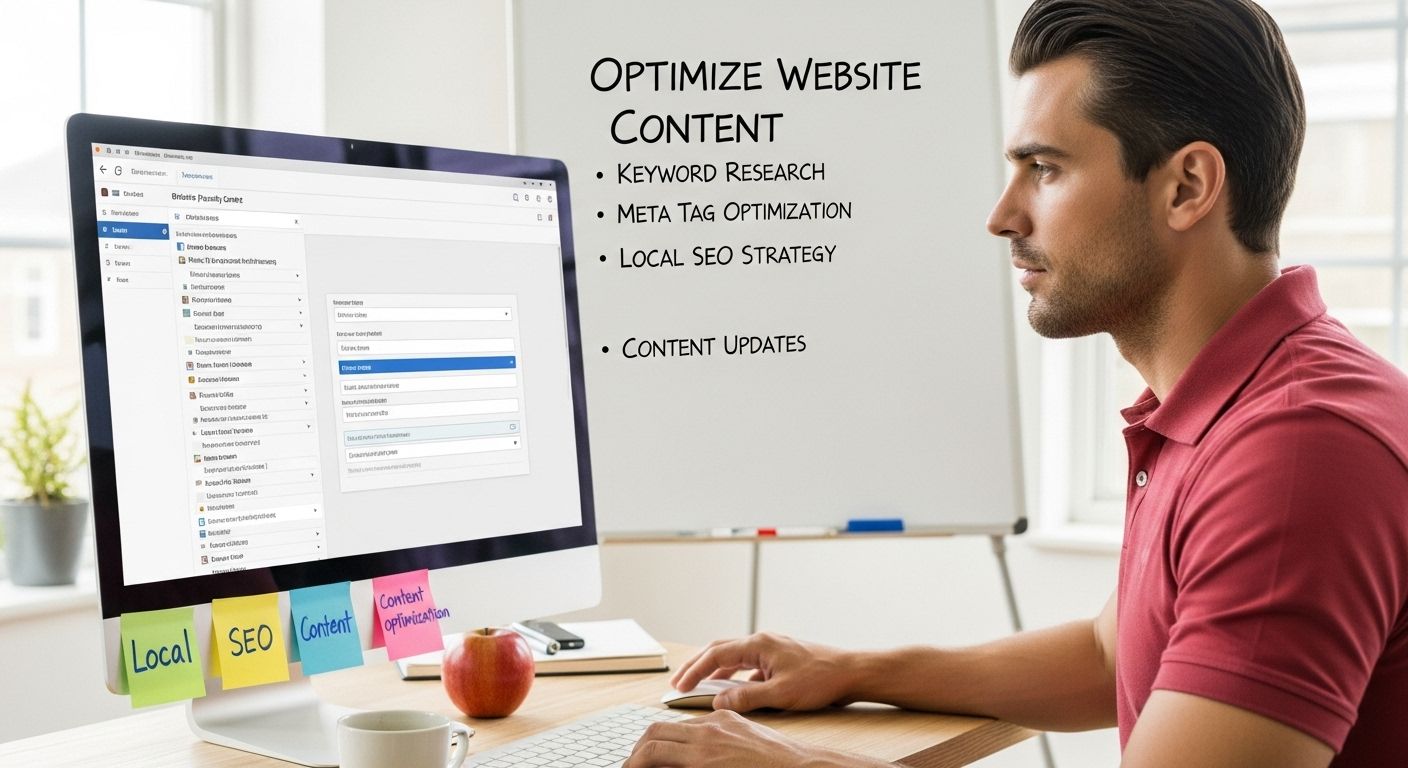
Building website traffic demands strategic content optimization that speaks both to human readers and search engine algorithms. SEO is not about tricking search engines but creating valuable, relevant content that naturally attracts and engages potential real estate clients. Your website must become a comprehensive resource that answers the questions and solves the problems your target audience experiences during their property search journey.
Compelling content creation starts with understanding search intent and crafting pages that provide genuine value. Each page should target specific keywords identified in your previous research, incorporating them naturally within high-quality, informative text. Real estate websites must balance technical information with storytelling, transforming property descriptions from dry listings into narrative experiences that help potential buyers envision their future homes. Learn advanced techniques for converting website visitors to maximize the impact of your optimized content.
Technical SEO elements play a crucial role in content optimization. Ensure every page includes a unique, descriptive title tag that incorporates primary keywords, typically within 50-60 characters. Meta descriptions should provide a concise summary that entices users to click, using action-oriented language that highlights the specific value of the page. Your header structure matters significantly search engines use these to understand content hierarchy. Use H1 tags for main page titles, H2 for section headings, and strategically place keywords to signal content relevance.
Key optimization priorities include:
- Writing original, in-depth content for each property or service page
- Implementing local SEO keywords specific to your target market
- Creating comprehensive neighborhood and community information pages
- Using internal linking to connect related content across your website
Remember that SEO is an ongoing process. Regularly update your content, monitor performance using tools like Google Search Console, and be prepared to refine your strategy based on actual search data and user engagement metrics.
Step 4: Leverage Social Media to Drive Traffic
Social media represents a powerful engine for building website traffic, transforming your real estate digital presence from a static platform into an interactive, dynamic lead generation system. Your social media strategy must transcend simple posting and become a sophisticated approach to connecting with potential clients, showcasing your expertise, and driving qualified traffic directly to your website.
Strategic content distribution requires understanding each social platform’s unique characteristics and audience expectations. Facebook and Instagram offer visual storytelling opportunities perfect for property showcases, while LinkedIn provides professional networking potential for commercial real estate professionals. Create platform-specific content that highlights your local market knowledge, featuring high-quality property images, neighborhood insights, market trend analyses, and engaging video tours that compel viewers to click through to your website for more detailed information. Explore our conversion optimization techniques to maximize the impact of your social media traffic.
Consistent engagement becomes your primary metric for social media success. Schedule regular posts that provide genuine value to your target audience, mixing professional insights with personal touches that humanize your brand. Use social media advertising tools to target specific demographics matching your ideal client profile, creating custom audiences based on location, income levels, and property interests. Develop a content calendar that balances promotional material with educational resources, such as first-time homebuyer tips, investment property strategies, and local market trend reports.
Essential social media traffic generation tactics include:
- Creating platform-specific content tailored to each social channel
- Using high-quality visuals and short video content
- Implementing strategic hashtags related to local real estate markets
- Engaging directly with followers through comments and messages
- Cross-promoting website content across multiple social platforms
Remember that social media success requires patience and consistent effort. Track your engagement metrics, analyze which content generates the most website clicks, and continuously refine your approach to build a robust, traffic-driving social media presence that supports your real estate business growth.
Here is a checklist to verify your social media strategy covers vital elements for driving real estate website traffic.
| Task | Action Required | Status (To Do/In Progress/Done) |
|---|---|---|
| Platform-Specific Content | Create tailored posts for each | |
| Visual Storytelling | Use property images and videos | |
| Consistent Posting | Maintain an ongoing content schedule | |
| Social Media Advertising | Target audiences with paid ads | |
| Engagement with Followers | Respond to comments/messages | |
| Hashtag Strategy | Use local real estate hashtags | |
| Metrics Monitoring | Track engagement and web clicks |
Step 5: Implement Tracking Tools to Measure Success
Building website traffic is not just about generating visitors but understanding their behaviour, interactions, and conversion potential. Tracking tools transform raw data into strategic insights, enabling real estate professionals to make informed decisions about their digital marketing efforts. By implementing comprehensive analytics, you gain a microscopic view of how potential clients interact with your website, revealing hidden opportunities for improvement and growth.
Google Analytics emerges as the cornerstone of website performance measurement. This powerful free tool provides an intricate dashboard of user interactions, revealing critical metrics like page views, average session duration, bounce rates, and traffic sources. Explore advanced performance tracking techniques to unlock deeper insights into your website’s effectiveness. Set up custom goals within Google Analytics to track specific actions like property inquiry form submissions, email newsletter sign-ups, or downloadable content interactions. These conversion tracking mechanisms help you understand which marketing strategies genuinely drive meaningful engagement.
Beyond website analytics, integrate complementary tracking tools that provide a holistic view of your digital performance. UTM parameters allow you to trace traffic sources with precision, helping you understand which social media posts, email campaigns, or advertising efforts generate the most qualified real estate leads. Install tracking pixels from platforms like Facebook and Google Ads to retarget website visitors and measure the direct impact of your advertising expenditures.
Key performance indicators to monitor include:
- Organic search traffic volume and growth rate
- Conversion rates for different landing pages
- User engagement metrics like time on site
- Geographic distribution of website visitors
- Mobile versus desktop traffic patterns
Remember that data collection is only valuable when transformed into actionable strategy. Schedule monthly analytics reviews, comparing current performance against previous periods. Look for trends, identify top-performing content, and continuously refine your approach based on empirical evidence. Successful website traffic building is an iterative process of measurement, adaptation, and strategic refinement.
Step 6: Adjust Strategies Based on Data Insights
Data insights transform website traffic building from a guessing game into a precision-driven strategy. Real estate professionals must approach digital marketing as a dynamic, responsive process where continuous adaptation becomes the key to sustained success. Your analytics data serves as a strategic compass, guiding you through the complex landscape of online marketing with empirical evidence and clear directional signals.
The art of strategy adjustment begins with comprehensive data interpretation. Examine your Google Analytics dashboard with a critical eye, looking beyond surface-level metrics to understand the deeper narratives hidden within user behaviour patterns. Discover advanced lead management techniques to refine your approach systematically. Identify which content generates the most engagement, which traffic sources deliver highest-quality leads, and where potential clients might be experiencing friction in their journey through your website.
Implementing data-driven refinements requires a methodical approach. Start by establishing baseline performance metrics across key indicators like conversion rates, bounce rates, and average session duration. Create a monthly review process where you compare current performance against historical data, looking for trends, anomalies, and opportunities for optimization. Experiment with small, incremental changes rather than wholesale transformations. A/B testing becomes your strategic ally, allowing you to test different headlines, images, call-to-action placements, and content structures to understand precisely what resonates with your target audience.
Critical areas to monitor and adjust include:
- Conversion rate performance for different landing pages
- Geographic variations in website traffic and lead quality
- User engagement metrics across different content types
- Effectiveness of keywords and content marketing strategies
- Mobile versus desktop user experience and interaction patterns
Remember that successful digital marketing is an ongoing journey of learning and adaptation. Your willingness to listen to the data, experiment fearlessly, and make informed adjustments will distinguish your real estate website from competitors who remain static in their approach.
Transform Your Website Traffic Into High-Quality Real Estate Appointments
You have just explored all the key steps for building website traffic and understanding the critical importance of fast response, quality lead capture, and smart performance tracking. Yet for many Canadian real estate professionals, the real challenge begins after the traffic arrives: how do you quickly engage, qualify, and schedule leads before they slip away? Missed opportunities and slow response times can make all your hard work attracting visitors go to waste. The article highlighted these pain points—such as lead conversion, follow-up speed, and seamless integration—as fundamental hurdles to real estate success.
Explore more solutions for real estate performance

Start turning your increased website visitors into real appointments today. Let LeadLinker.co automatically engage, qualify, and schedule your incoming leads—24/7 across every channel. Don’t let a single warm lead slip through the cracks. Experience the proven results trusted by top-performing agents. Get started now to boost your conversions and grow your real estate business sustainably.
Frequently Asked Questions
How do I start a website traffic audit for my real estate site?
To begin a website traffic audit, utilize tools like Google Lighthouse to assess your site’s performance metrics, including page speed, mobile responsiveness, and search engine optimization. This evaluation will help you identify areas for improvement that can enhance your site’s ability to attract visitors.
What are effective strategies for identifying my target audience in real estate?
Develop detailed buyer personas by considering demographics such as age, income, and specific real estate needs. This will help you select relevant keywords and tailor content that resonates with your ideal clients, whether they are first-time homebuyers or luxury property investors.
How can I optimize content for SEO on my real estate website?
To optimize content for SEO, ensure each page targets specific keywords naturally within high-quality text. Use unique title tags and meta descriptions, and structure headers correctly. Regularly update content to keep it relevant and appealing to both visitors and search engines.
What role does social media play in driving traffic to my real estate website?
Social media serves as a critical platform for engaging with potential clients and showcasing properties. Create platform-specific content, utilize visuals, and engage regularly with your audience to drive traffic to your website effectively.