
Buying or selling a home comes with a lot more expenses than most people expect and those extra fees can easily shift your entire budget. Most Canadians are surprised to learn that closing costs often add up to 2 percent to 5 percent of the total home price, not just a few hundred dollars in paperwork fees. And what gets missed is that closing costs are not just red tape or unnecessary admin but actually a powerful way to protect both buyers and sellers and keep the transaction safe.
Table of Contents
- What Are Common Closing Costs And Their Purpose?
- Why Closing Costs Matter In Real Estate Transactions
- How Common Closing Costs Are Calculated And Paid
- Key Components Of Closing Costs And Their Implications
- Real-World Examples Of Common Closing Costs
Quick Summary
| Takeaway | Explanation |
|---|---|
| Understand potential closing cost range | Closing costs typically range from 2% to 5% of the home purchase price, impacting budgeting significantly. |
| Buyers bear most closing costs | Buyers generally cover expenses like appraisal, inspection, and title insurance during property transactions. |
| Evaluate loan-related expenses | Loan origination, underwriting, and credit report fees are critical components of closing costs. |
| Negotiate closing cost responsibilities | Buyers and sellers can negotiate who pays specific closing costs, allowing for potential financial flexibility. |
| Use detailed breakdowns for clarity | Lenders must provide itemized cost breakdowns to help buyers understand their financial obligations before closing. |
What Are Common Closing Costs and Their Purpose?
Closing costs represent the additional expenses buyers and sellers incur during a real estate transaction beyond the property’s purchase price. These financial obligations cover various administrative, legal, and operational expenses necessary to complete a property transfer. According to Consumer Financial Protection Bureau, these costs typically range between 2% to 5% of the total home purchase price.
Understanding the Financial Landscape
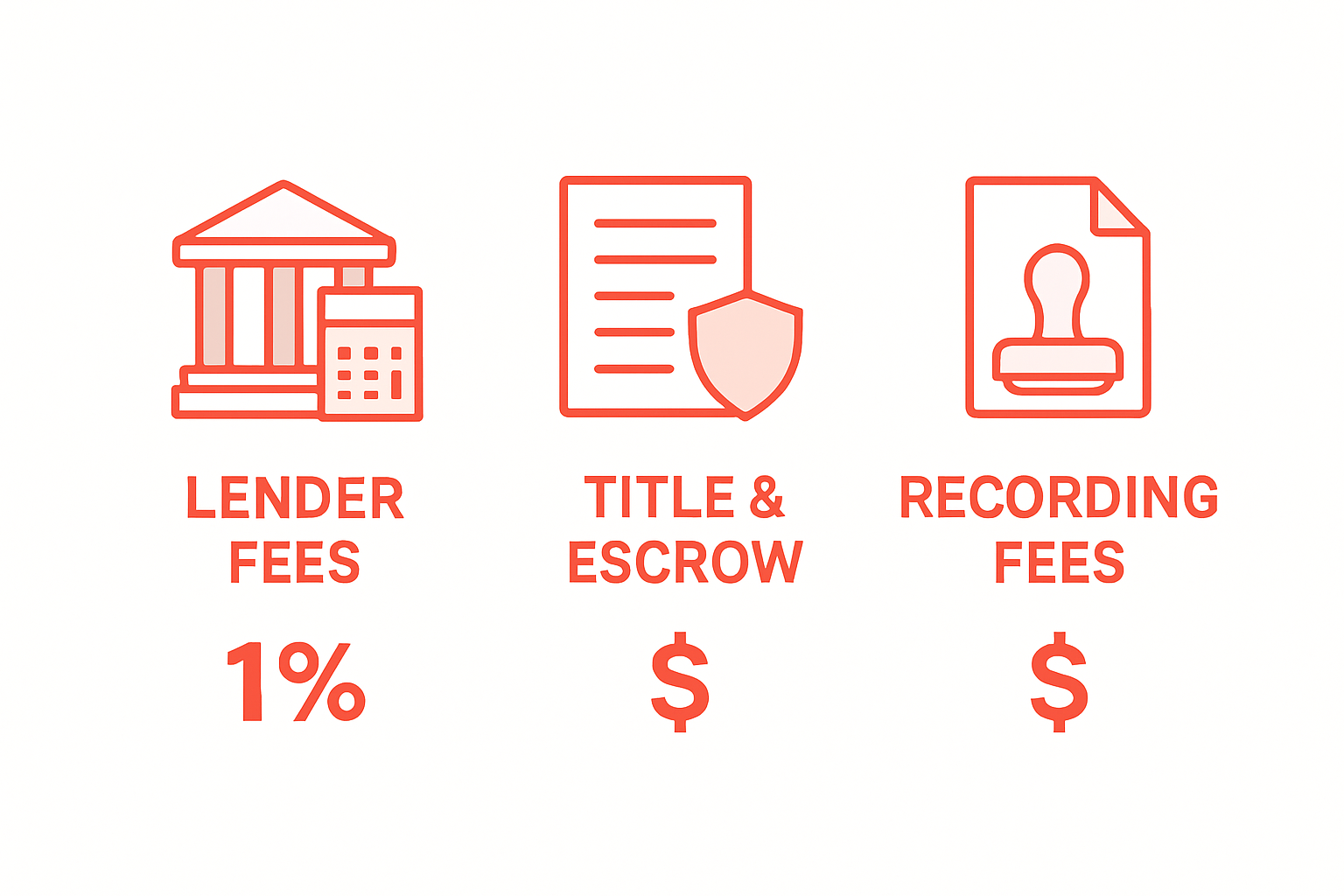
Real estate transactions involve multiple stakeholders and complex processes that require professional services and documentation. Common closing costs encompass several key categories that protect both the buyer and seller’s interests:
- Lender Fees: Charges associated with processing and approving mortgage applications
- Title and Escrow Expenses: Costs for verifying property ownership and managing transaction funds
- Government Recording Fees: Mandatory charges for documenting property transfer
Breaking Down Typical Closing Cost Components
Closing costs are not uniform and can vary significantly depending on location, property type, and transaction specifics. Buyers typically shoulder most closing expenses, which might include:
- Mortgage application fees
- Property appraisal charges
- Home inspection costs
- Title insurance
- Land survey expenses
- Property tax prorations
Sellers also encounter closing costs, though generally lower, such as real estate agent commissions and potential property transfer taxes. Cornell Law School emphasizes that understanding these expenses helps buyers and sellers budget accurately and prevent
To help readers clearly understand who typically pays which common closing costs in a Canadian real estate transaction, the following table summarizes the usual division of responsibilities between buyers and sellers.
| Closing Cost Component | Typically Paid By | Description |
|---|---|---|
| Mortgage Application Fees | Buyer | Charges for processing mortgage application and documentation |
| Home Appraisal | Buyer | Fee for evaluating the property’s market value |
| Title Insurance | Buyer | Protects against losses from title disputes |
| Property Tax Prorations | Buyer | Buyer reimburses seller for prepaid property taxes |
| Home Inspection | Buyer | Cost of engaging a professional to inspect the property’s condition |
| Land Survey | Buyer | Confirms property boundaries and land features |
| Real Estate Agent Commissions | Seller | Payment to agents representing buyer and seller |
| Property Transfer Taxes | Seller (sometimes Buyer) | Tax levied on transfer of property ownership; varies by agreement |
financial surprises during property transactions.
By comprehending the purpose and breakdown of common closing costs, real estate professionals and homebuyers can navigate transactions more confidently and financially prepared.
Why Closing Costs Matter in Real Estate Transactions
Closing costs represent more than just financial transactions they are critical mechanisms that ensure transparent, legally compliant, and secure property transfers. Urban Institute research indicates these expenses typically range between 2% to 5% of a property’s total value, signaling their substantial impact on real estate economics.
Financial Transparency and Risk Mitigation
Closing costs serve multiple strategic purposes beyond simple fee collection. They provide essential protections for both buyers and sellers by creating a structured framework for property transactions. Key protective functions include:
- Verifying legal property ownership
- Protecting against potential title disputes
- Ensuring accurate documentation of transfer
- Covering professional service expenses
- Managing potential financial risks
Economic Implications for Real Estate Professionals
Real estate transactions involve complex financial ecosystems where closing costs play a crucial role in maintaining market integrity. These expenses compensate various professionals involved in property transfers, including mortgage lenders, title researchers, appraisers, and government recording offices. Learn more about navigating transaction complexities with strategic tools.
By understanding closing costs, real estate professionals can better manage client expectations, provide transparent financial guidance, and streamline transaction processes. Buyers and sellers benefit from comprehensive knowledge that helps them anticipate and budget for these necessary expenses, ultimately reducing financial surprises and potential transaction complications.
The significance of closing costs extends beyond mere monetary transactions they represent a critical mechanism for ensuring secure, legally compliant, and transparent property transfers in the complex real estate marketplace.
How Common Closing Costs are Calculated and Paid
Calculating and paying closing costs involves complex financial processes that require precise documentation and transparent communication between multiple parties. Consumer Financial Protection Bureau guidelines mandate that lenders provide detailed cost breakdowns through standardized forms, ensuring buyers understand their financial obligations before finalizing a transaction.
Calculation Methodologies for Closing Expenses
Closing costs are not arbitrarily determined but calculated through systematic approaches considering several key factors:
- Property Value: A percentage-based calculation typically ranging from 2% to 5%
- Transaction Complexity: More intricate deals involve additional professional services
- Geographic Location: Regional tax rates and regulatory requirements impact costs
- Loan Type: Different mortgage structures influence associated fees
Payment Responsibility and Distribution
Real estate transactions distribute closing cost responsibilities between buyers and sellers, though allocation can be negotiated. Typical payment scenarios include:
- Buyers generally cover most closing expenses
- Sellers might contribute through price adjustments or specific fee agreements
- Some costs are split proportionally based on transaction terms
Professional real estate negotiation strategies can help manage these financial considerations effectively. Buyers should anticipate paying approximately 3% to 6% of the home’s purchas
The following table offers a concise overview of key factors influencing how closing costs are calculated in Canadian real estate transactions, supporting reader understanding of these financial considerations.
| Factor | Impact on Closing Costs | Example or Description |
|---|---|---|
| Property Value | Higher values result in higher total costs | Typically 2% to 5% of home price |
| Transaction Complexity | More complex deals incur additional expenses | Legal, appraisal, or multi-party involvement |
| Geographic Location | Local regulations and tax rates affect costs | Provincial land transfer tax, municipal charges |
| Loan Type | Different mortgages incur varying fees | Insured mortgages may have specific administrative fees |
e price in closing costs, while sellers typically encounter lower expenses.
Understanding the intricate calculation and payment mechanisms of closing costs empowers real estate professionals and clients to navigate transactions with financial clarity and confidence.
Key Components of Closing Costs and Their Implications
Closing costs represent a comprehensive set of financial obligations that extend far beyond simple transaction fees. Legal Information Institute research indicates these expenses encompass multiple professional services and legal protections essential to property transfers.
Loan-Related Closing Cost Components
Mortgage-associated expenses form a significant portion of closing costs, reflecting the complex financial infrastructure behind real estate transactions. Critical loan-related components include:
- Origination Fees: Charges for processing the mortgage application
- Discount Points: Optional prepaid interest to reduce long-term mortgage rates
- Underwriting Fees: Compensation for evaluating loan risks
- Credit Report Fees: Expenses for obtaining comprehensive credit assessments
Administrative and Legal Expense Categories
Real estate transactions require extensive documentation and professional verification, which translates into specific closing cost categories. These administrative expenses ensure transaction legitimacy and protect all parties involved. Explore advanced home inspection strategies that complement these critical verification processes.
Additional administrative closing cost components typically include:
- Title search and insurance fees
- Government recording charges
- Property transfer taxes
- Escrow and settlement service expenses
Understanding these intricate components helps real estate professionals and clients navigate the financial complexities of property transfers with greater transparency and confidence.
Real-World Examples of Common Closing Costs
Closing costs transform abstract financial concepts into tangible expenses that directly impact real estate transactions. University of Missouri Extension research highlights the diverse range of fees that buyers and sellers encounter during property transfers.
Buyer-Specific Closing Cost Scenarios
Mortgage-related expenses represent the most significant financial burden for buyers. A typical home purchase might include the following real-world closing cost examples:
- Loan Origination Fee: Approximately 0.5% to 1% of the total loan amount
- Home Appraisal: Ranging from $300 to $700 depending on property complexity
- Credit Report Fee: Usually $30 to $50 per applicant
- Title Insurance: Typically 0.5% to 1% of the home’s purchase price
Comprehensive Transaction Cost Breakdown
Real estate transactions involve multiple professional services that contribute to closing expenses. These costs vary based on property location, transaction complexity, and specific market conditions. Learn more about strategic budgeting for real estate professionals to manage these financial nuances effectively.
Additional real-world closing cost examples include:
- Government recording fees
- Property tax prorations
- Escrow account setup charges
- Survey and inspection expenses
Understanding these concrete examples empowers real estate professionals and clients to anticipate and plan for the financial complexities inherent in property transfers.

Turn the Pain of Complex Closing Costs Into a Seamless Real Estate Experience
Are you overwhelmed by the financial complexity and logistical headaches of handling common closing costs? Many real estate professionals and clients struggle with hidden fees, time-consuming coordination, and lost opportunities due to slow response times during crucial transaction moments. Managing closing costs, from lender fees to legal verifications, takes more than knowledge—it demands efficiency and flawless communication. That is where automation can provide relief and empower you to focus on what truly matters: guiding your clients with confidence and clarity.

Let LeadLinker.co help you turn these challenges into your competitive advantage. Our AI-powered platform automatically handles incoming leads, qualifies buyers and sellers, and books appointments so you spend less time chasing paperwork and more time closing deals. Curious about reducing missed opportunities and boosting your business? Take the next step. Explore our AI negotiation strategies for complex transactions or visit LeadLinker.co now to see how automation can transform your success today.
Frequently Asked Questions
What are closing costs in a real estate transaction?
Closing costs are the additional expenses incurred by buyers and sellers during a real estate transaction beyond the property’s purchase price. They typically range from 2% to 5% of the total home purchase price and cover administrative, legal, and operational expenses necessary for completing a property transfer.
Who is responsible for paying closing costs?
Typically, buyers shoulder most of the closing costs, which may include fees such as mortgage application charges, title insurance, and appraisal costs. Sellers may also incur closing costs, though usually lower, such as real estate agent commissions and potential property transfer taxes.
How are closing costs calculated?
Closing costs are calculated using several factors, including the property’s value (typically 2% to 5%), the complexity of the transaction, geographic location, and loan type. These factors help determine the specific expenses associated with a property transfer.
What common fees are included in closing costs?
Common fees within closing costs can include loan origination fees, appraisal fees, title insurance, property tax prorations, and government recording fees. Understanding these expenses helps both buyers and sellers budget effectively for a real estate transaction.
Recommended
- How to Handle Common Real Estate Objections in 2025 – Lead Linker
- Essential Home Inspection Guide for Real Estate Pros – Lead Linker
- Top Real Estate Negotiation Tips for Agents and Teams – Lead Linker
- Top Real Estate Tax Tips for Agents and Brokers in 2025 – Lead Linker
- Agent immobilier commission : tout comprendre pour vendre ou louer sereinement – LPI: La parisienne immobilière agence immobilière Paris 12